
Using less material is often seen as a simple way to make packaging more sustainable. This approach, known as lightweight packaging, can help reduce resource use and improve efficiency. However, balancing sustainability with functionality is often more challenging than it appears.
What is Lightweight Packaging?
Lightweight packaging refers to the practice of reducing the weight of packaging materials without compromising the package’s essential performance.
This can be achieved through several approaches, including:
- Reducing material thickness
- Optimizing structural design
- Eliminating unnecessary packaging components
- Improving material efficiency
- Replacing heavier packaging formats with lighter alternatives
Lightweighting has become increasingly important as governments and industries seek to reduce packaging waste. Regulations such as the European Union’s Packaging and Packaging Waste Regulation (PPWR) encourage packaging optimization and waste prevention throughout the packaging lifecycle. The regulation entered into force in 2025 and establishes measures aimed at reducing packaging waste and the use of virgin materials.
For food and beverage brands, lightweighting is often viewed as one of the most accessible ways to improve packaging sustainability without requiring major changes to existing operations.
Read More: EU’s March 2026 Guidance Clarifies What Recyclable Packaging Should Look Like
Why Lightweight Packaging Is Seen as Sustainable
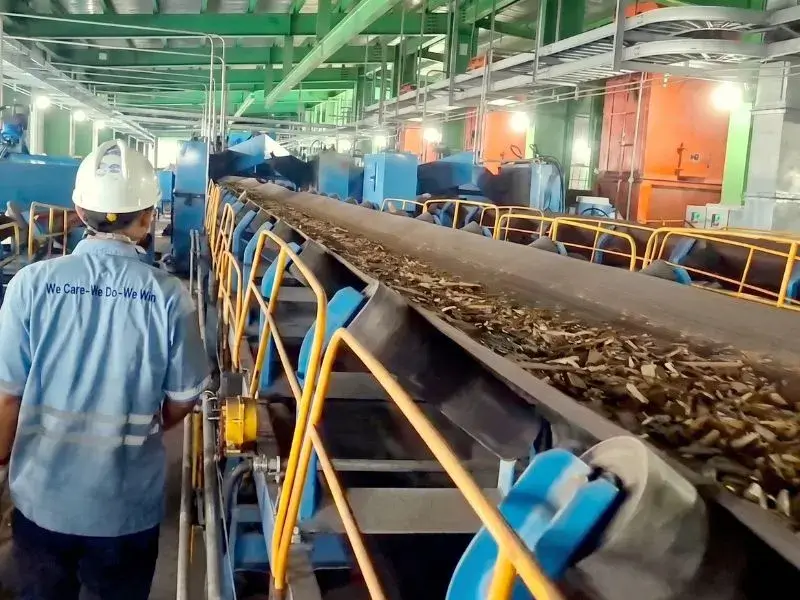
The primary sustainability advantage of lightweight packaging is simple: using fewer raw materials can reduce resource consumption and lower the environmental footprint associated with manufacturing and transportation.
Lighter packaging may contribute to:
- Reduced material usage
- Lower transportation emissions
- Improved logistics efficiency
- Reduced packaging waste generation
- Lower demand for virgin resources
Many companies have adopted lightweighting as part of their sustainability strategies, reducing packaging weight through material optimization and design improvements. However, sustainability is not determined by weight reduction alone. Packaging must still protect products throughout their lifecycle. If lightweighting leads to increased product damage, spoilage, or food waste, it may ultimately create a greater environmental impact than a slightly heavier package that performs effectively.
Read More: Less is More! Explore Minimalist Packaging Insights Here
The Challenge of Scaling Lightweight Solutions
While lightweighting sounds appealing in theory, scaling it across large product portfolios presents several challenges.
Maintaining Product Protection
One of the biggest risks of excessive lightweighting is reduced packaging performance.
Food packaging must withstand handling, transportation, storage, temperature variations, and consumer use. If packaging becomes too thin or structurally weak, product damage and food waste may increase.
For many food and beverage applications, preventing food loss remains a critical sustainability objective. As a result, packaging optimization must carefully balance material reduction with protective performance.
Preserving Functionality and User Experience
Consumers still expect packaging to be convenient, durable, and easy to use. A lightweight package that tears easily, leaks, or feels unreliable may negatively affect customer satisfaction and brand perception. Maintaining performance while reducing material usage often requires advanced design and material engineering rather than simply reducing thickness.
Ensuring Recyclability
Reducing material use does not automatically improve recyclability. In some cases, lightweight structures may introduce additional material combinations or design complexities that make recycling more difficult. Modern packaging regulations increasingly emphasize both source reduction and recyclability, requiring businesses to consider the full lifecycle of packaging design.
Scaling Across Global Supply Chains
Lightweight solutions that perform well in laboratory testing may face challenges when deployed across diverse supply chains. Factors such as transportation distances, climate conditions, warehouse handling practices, and local recycling infrastructure can all affect packaging performance.
This is particularly relevant for multinational food brands seeking packaging solutions that can perform consistently across multiple markets.
Supporting Practical Lightweight Packaging with Foopak Bio Natura
Successful lightweighting is not just about using less material. It requires packaging that continues to deliver the performance needed for food safety, functionality, and consumer experience.
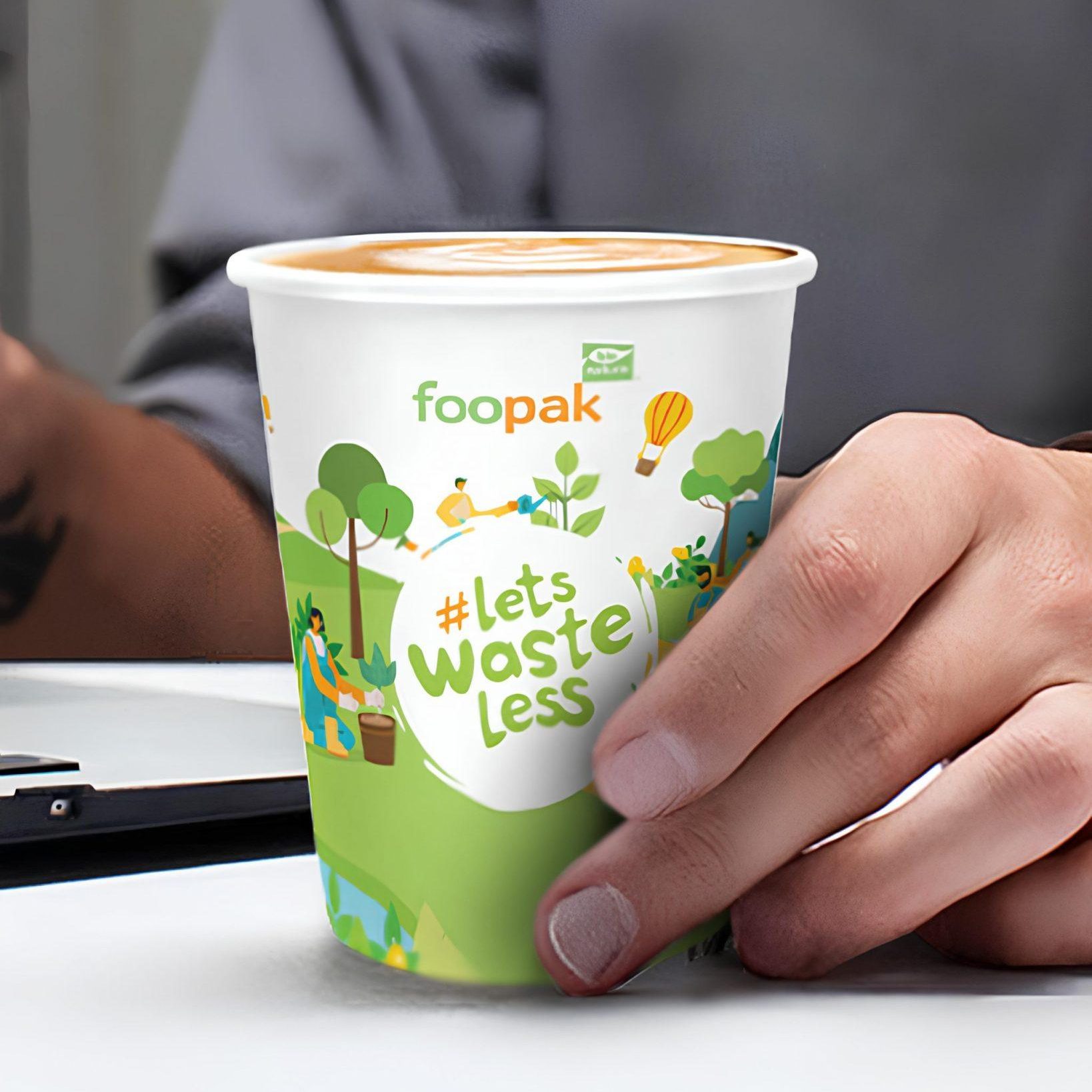
Foopak Bio Natura is designed to support food packaging applications that require both performance and material efficiency. By utilizing paper-based packaging solutions, businesses can optimize packaging structures while meeting the demands of food service and food-contact applications.For converters and food brands, the goal is not to create the lightest package possible, but to use materials efficiently while meeting operational, regulatory, and consumer expectations. Businesses that take this balanced approach will be better positioned to achieve both sustainability and packaging performance goals.