Australia is placing increasing pressure on businesses to take responsibility for their packaging waste, and enforcement is becoming more visible in 2026.
For example, the EPA Victoria has recently warned companies that they may face financial penalties if they fail to show how they are reducing packaging waste or meeting reporting requirements. This reflects a broader shift toward greater accountability, with businesses expected to clearly demonstrate their waste management efforts.
A Brief Overview of Australia’s Recycling System
Recycling in Australia follows a decentralized approach, meaning local councils play a major role in how waste is collected, sorted, and processed. While there are national guidelines, the specifics often depend on your location, resulting in differences in what materials are accepted and how they are handled.
This variation directly impacts recycling outcomes. According to the Australian government, the national resource recovery rate reached 66% in 2022-23, performance still varies across materials, particularly for plastics, where recycling rates remain as low as 12-13%.
Container Deposit Schemes (CDS)
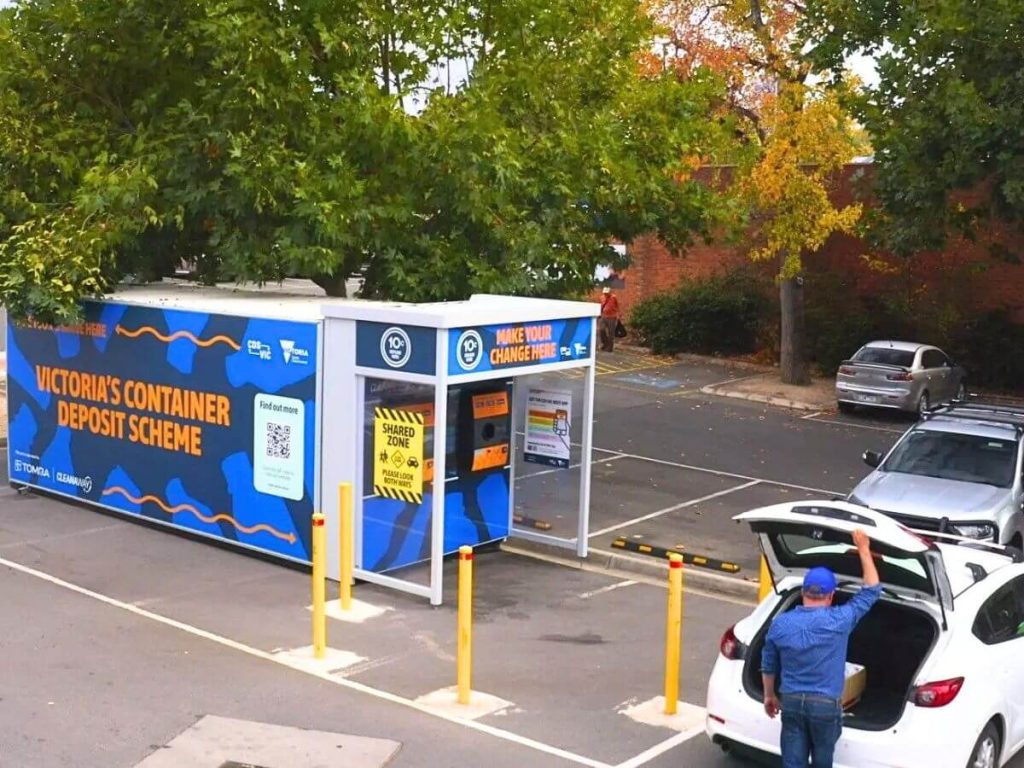
Instead of relying only on bins, people return drink containers to dedicated points (machines or depots) and get money back.
Here are the key details of the system:
- Users receive ~10 cents per container returned
- Applies to plastic bottles, glass, aluminium, etc.
- Now implemented nationwide across Australia
This model improves recycling quality by ensuring materials are cleaner and pre-sorted compared to mixed kerbside recycling, while also shifting the system from passive disposal through bins to more active, incentive-driven participation.
Common Materials Accepted for Recycling
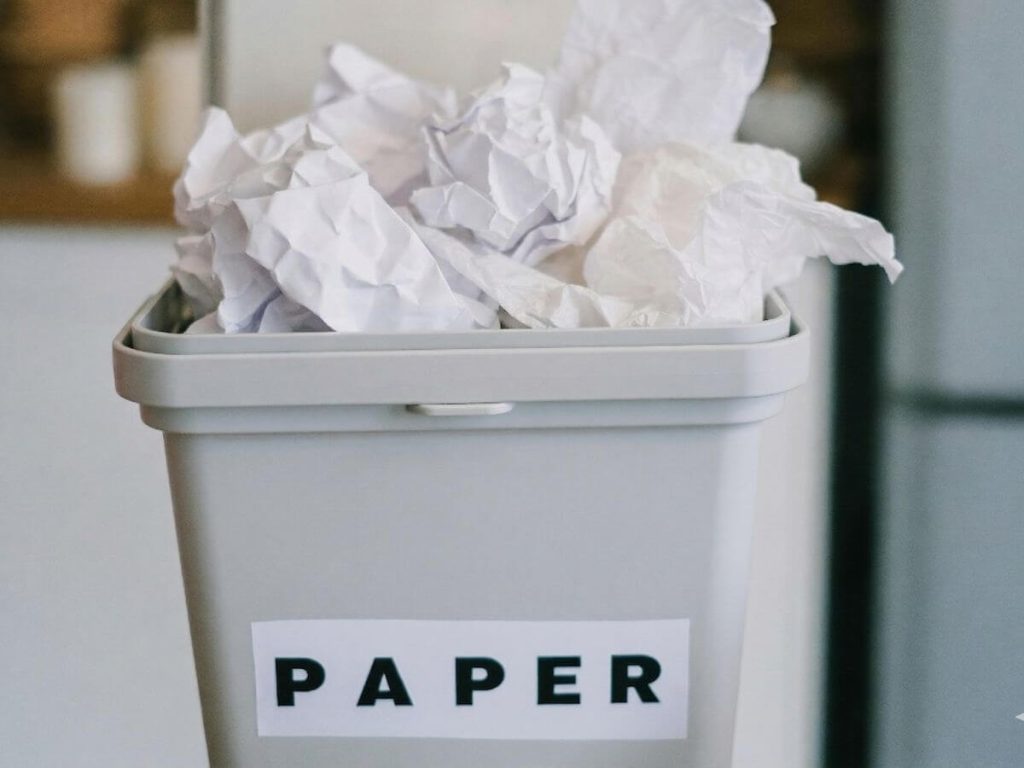
While specifics vary, most Australian recycling programs commonly accept:
- Paper and cardboard
- Glass bottles and jars
- Aluminium and steel cans
- Rigid plastics
However, materials like soft plastics, heavily contaminated packaging, and multi-layer products are often excluded from standard kerbside recycling.
Read More: Turning Australian Regulations into Opportunities for Greener Packaging
How to Set Up a Recycling System in the Workplace
For businesses, recycling needs to go beyond intention. A clear system helps ensure materials are actually recovered, not contaminated or discarded.
1. Understand and separate your waste
Start by identifying the types of waste your business generates, then set up clearly labeled bins to separate recycling, general waste, and organics.
2. Make it easy to do the right thing
Use simple, consistent signage so employees can quickly sort waste correctly and avoid contamination.
3. Align with the right systems and materials
Work with waste providers who understand local council requirements, and choose packaging that fits existing recycling systems, like Foopak’s paperboard products, which are designed to be recyclable and easier to recover in practice.
Read More: A Practical Path to High-Performing, Fully Recyclable Packaging
Moving Toward More Responsible Waste Management
Australia’s push for better waste outcomes is reshaping how businesses approach packaging. With regulators increasing scrutiny, companies are expected to go beyond intent, demonstrating that their packaging is recyclable in practice, aligned with local systems, and clearly communicated to consumers. This shift is encouraging businesses to rethink not just materials, but also how they collaborate across the value chain to improve real-world recycling outcomes.
In this landscape, partnerships are becoming essential. Foopak is open to collaborating with brands, converters, and industry partners to develop packaging solutions that meet both operational needs and sustainability goals. By working together, from material selection to end-use application, businesses can create packaging that fits within Australia’s recycling infrastructure while supporting long-term environmental commitments.