The European Union is moving closer to a fully harmonized packaging framework with the rollout of updated guidance for the Packaging and Packaging Waste Regulation (PPWR) in 2026. While the regulation itself sets ambitious sustainability targets, this latest guidance focuses on how those rules will actually be applied in practice. For businesses operating in or exporting to the EU, this marks a shift from broad regulatory direction to clearer, more actionable expectations.
What the New EU Packaging Guidance Actually Changes for Businesses
In March 2026, the European Commission released new guidance to support the implementation of the Packaging and Packaging Waste Regulation (PPWR). Rather than introducing new rules, this guidance focuses on clarifying how existing requirements should be applied consistently across all EU member states.
This matters because one of the biggest challenges businesses faced under previous directives was fragmentation, with different interpretations, labeling systems, and compliance processes across countries. The PPWR, which entered into force in 2025 and becomes fully binding from 2026, aims to replace this with a single, harmonized framework.
Read More: Learn the Implications of PPWR and How to Stay Compliant
The 2026 guidance helps close remaining gaps by addressing practical questions from stakeholders. For example, it clarifies:
- How to determine whether a company is a “producer,” “manufacturer,” or “importer”
- What qualifies as “packaging” under the regulation
- How extended producer responsibility (EPR) obligations should be applied
- Requirements around deposit and return systems
It also reinforces key restrictions, including limits on single-use packaging and the use of PFAS in food-contact materials.
Clarifying What ‘Recyclable’ Packaging Means in Practice
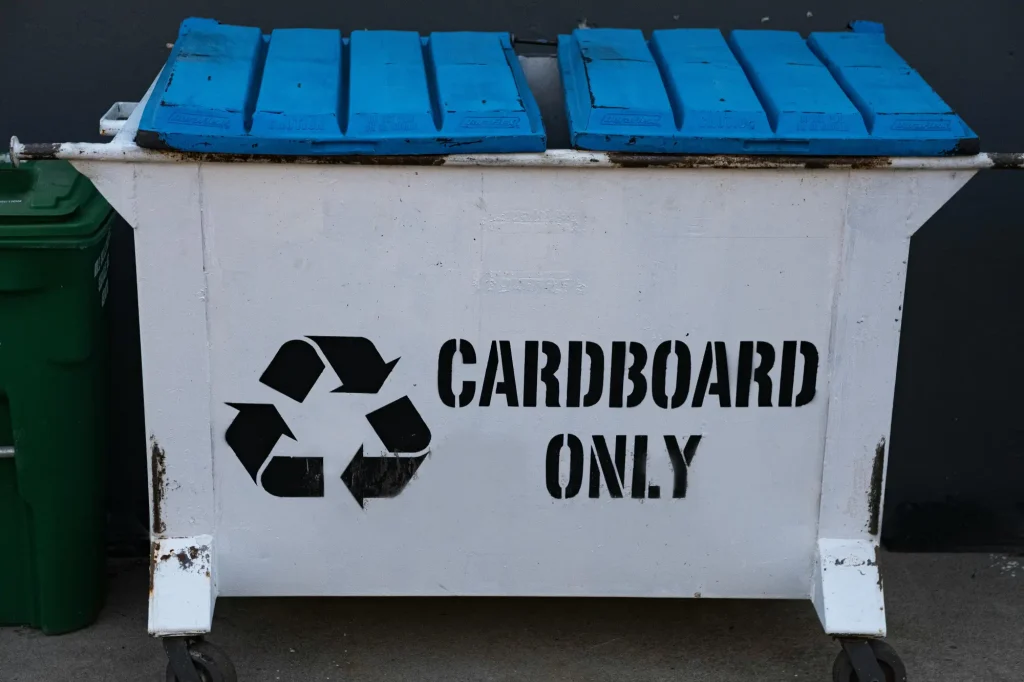
In practice, “recyclable” under the PPWR is no longer a general or marketing claim. It has a specific meaning based on whether packaging can function within the EU’s waste system from start to finish.
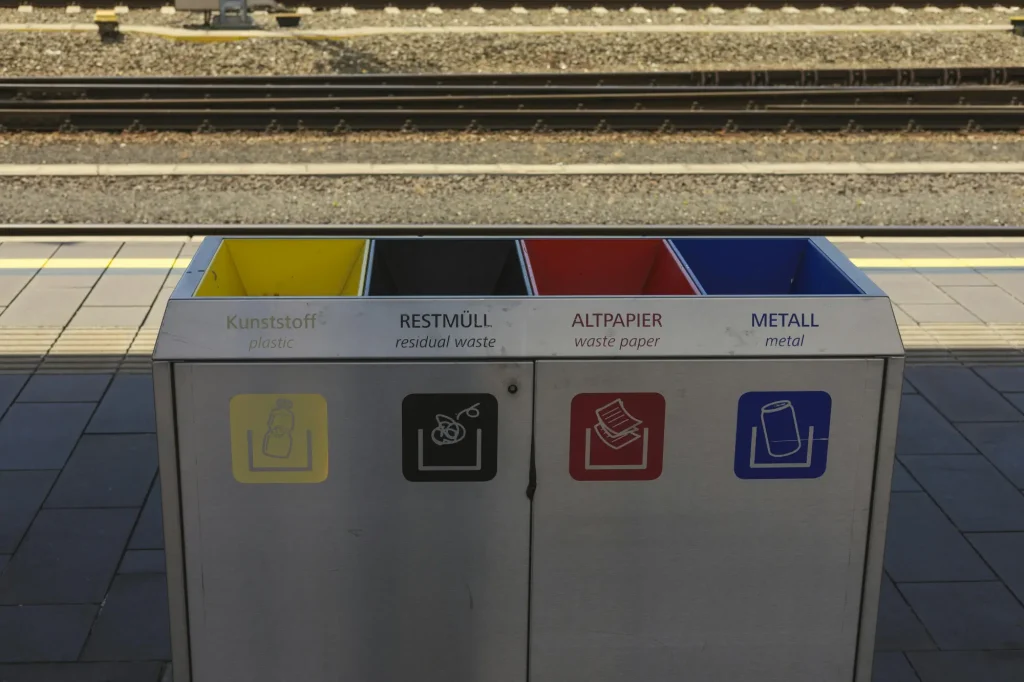
At its core, recyclability is defined as how well packaging fits into the full waste management process, including collection, sorting, and large-scale recycling.
This translates into several concrete requirements:
- Designed for real waste systems. Packaging must be compatible with existing EU collection, sorting, and recycling infrastructure, not just theoretically recyclable.
- Collected, sorted, and recycled at scale. By 2035, packaging must be proven to work across systems that cover most of the EU population, not limited or niche facilities.
- Meets minimum recyclability performance. Packaging will be graded based on how much of it can actually be recycled. Anything below roughly 70% recyclability may not qualify or be allowed on the market.
- Follows design-for-recycling criteria. Materials, coatings, inks, and structure must allow efficient separation and processing, supporting high-quality recycling outcomes.
- Enables material recovery, not waste. Packaging must be designed so its materials can be reused as secondary raw materials, rather than being burned or landfilled.
The key shift under the PPWR, reinforced by the latest guidance, is that recyclability must be proven in practice. It is no longer enough for packaging to be technically recyclable. It must demonstrate that it works within existing systems, at scale, and with measurable outcomes.
Read More: Paper Packaging Gains Ground: A Future Without Plastic?
A Clearer Path Toward Sustainable Packaging in the EU
With clearer definitions and more consistent implementation, the PPWR framework helps businesses move from general sustainability goals to practical action. Packaging decisions are now more closely tied to real-world outcomes, pushing companies to consider how materials perform across the full lifecycle, from design to disposal.
In this context, fiber-based solutions are becoming increasingly relevant. Products like Foopak paperboard are designed to meet evolving recyclability expectations, supported by APP Group’s commitment to developing sustainable packaging that aligns with circular economy principles.