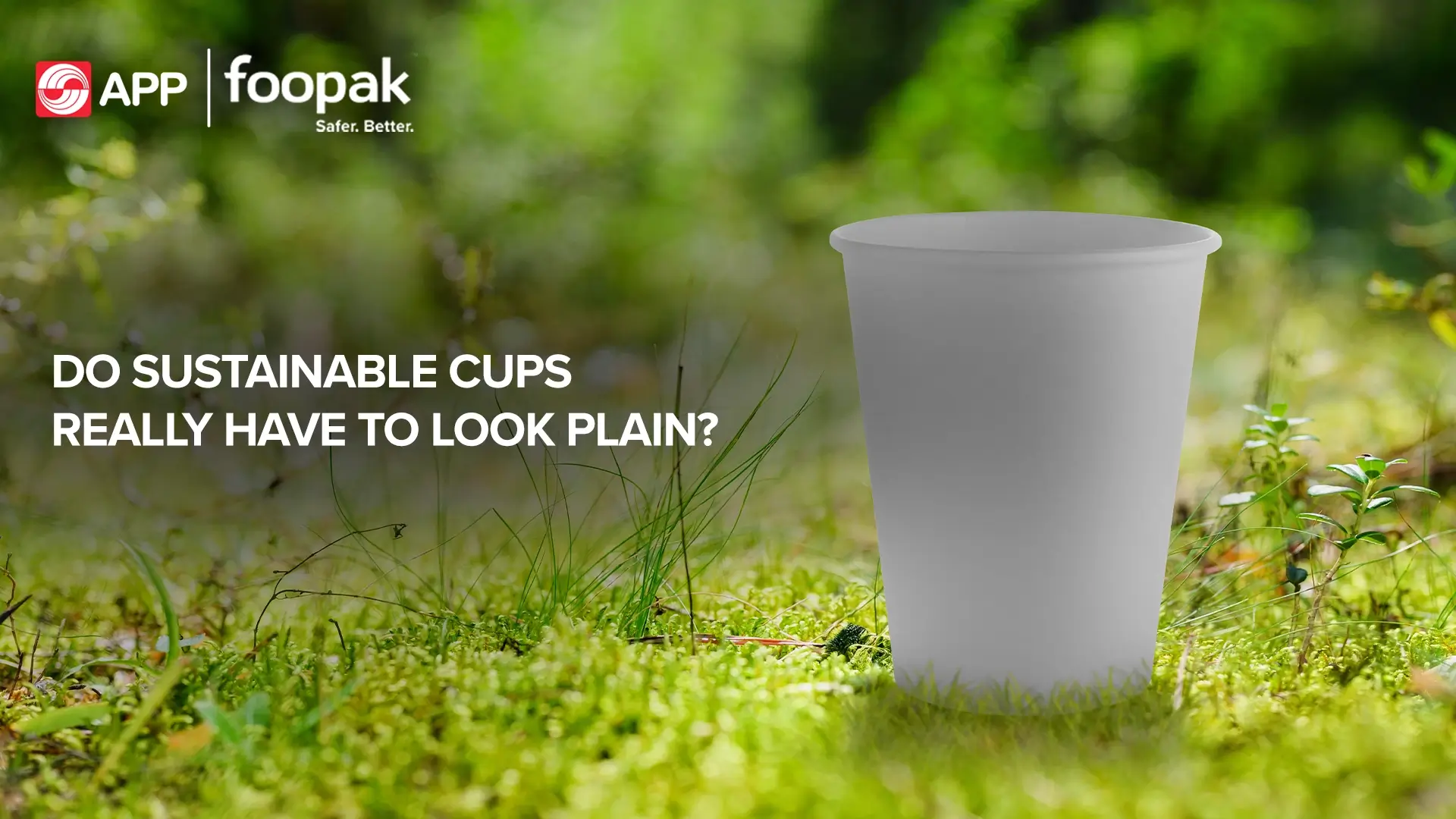
When consumers think of sustainable packaging, they often picture natural textures, paper-based materials, earthy colors, and minimalist designs. These visual cues have become closely associated with environmental responsibility, influencing whether consumers perceive a package (and the sustainability claims behind it) as credible.
However, while consumers expect sustainable packaging to look environmentally friendly, that does not mean they want it to appear plain or unappealing. For brands, the challenge lies in striking the right balance between communicating sustainability and delivering packaging that remains premium, and visually attractive on the shelf.
Why Aesthetic Packaging Still Matters to Customers

- Packaging Is the Consumer’s First Interaction with a Product
In the food and beverage industry, packaging is often the first interaction consumers have with a product.
Read More: 10 Trending Food Packaging Ideas to Watch in 2025
- Consumers form first impressions through packaging
Before they can judge taste, freshness, or quality, they rely on visual cues like color, typography, imagery, and overall design.
- Packaging influences purchase decisions
A visually appealing design can make a product more noticeable and increase the chance of it being picked up on the shelf.
- Aesthetic design helps brands stand out
Strong packaging design improves brand recognition and makes the product more memorable in a competitive market.
- Packaging communicates value, not just protection
Today, packaging plays a bigger role than just protecting the product. It helps shape how consumers perceive the brand and its overall value.
How Brands Balance Sustainability and Visual Appeal

Materials with a More Premium Look
While sustainable packaging is commonly linked to natural and minimalist aesthetics, brands do not have to rely solely on plain materials. Premium paperboard, high-quality finishes, and well-designed textures can help create a more refined appearance while maintaining sustainability credentials. By selecting materials that feel sturdy and visually appealing, brands can reinforce perceptions of quality without compromising their environmental goals.
Read More: Less is More! Explore Minimalist Packaging Insights Here
Custom Printing and Branding
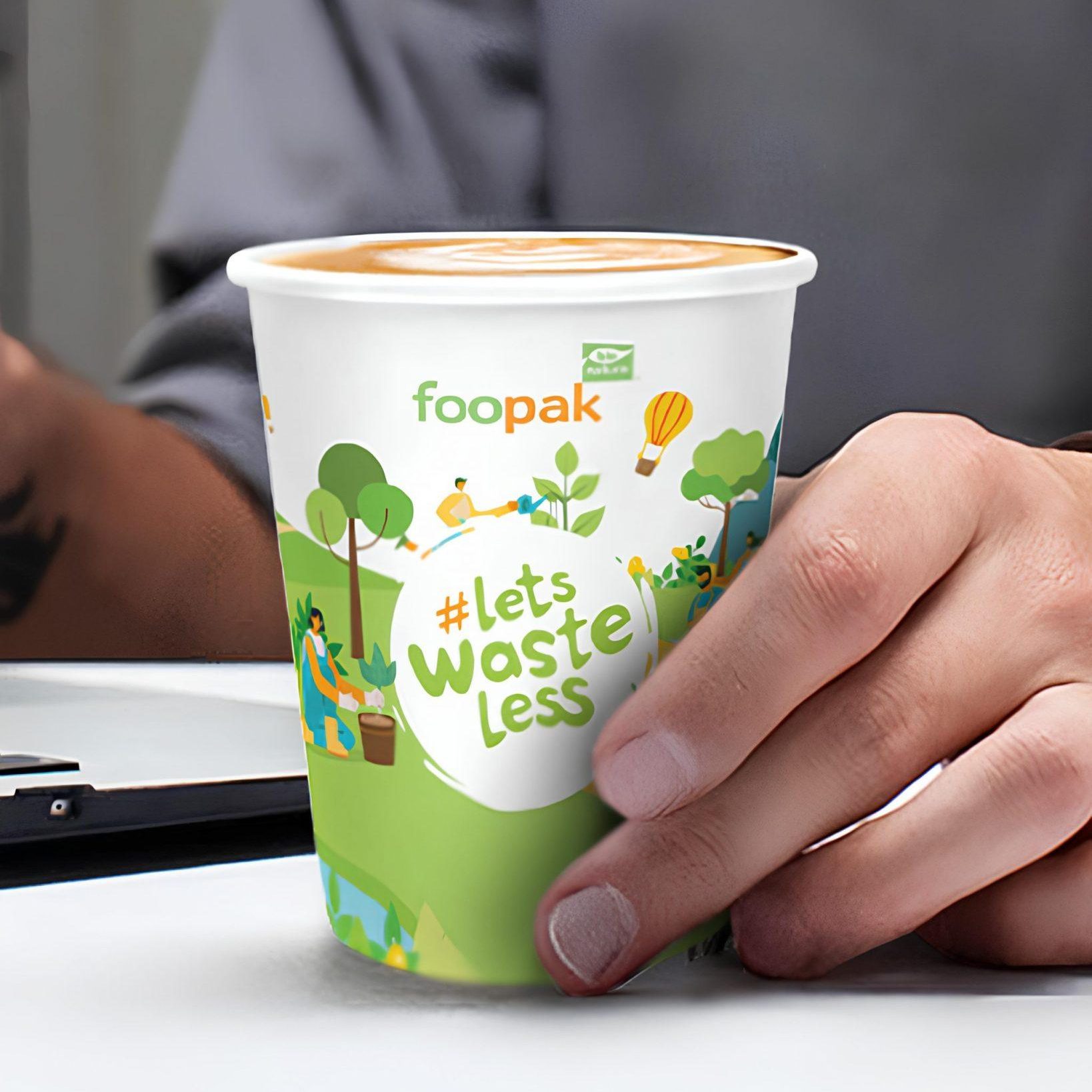
Consumers use packaging design to form opinions about a brand before trying the product. Custom printing, distinctive graphics, and thoughtful branding can help sustainable packaging stand out while preserving its eco-friendly image. Studies suggest that attractive packaging strengthens brand recognition and purchase intention, making it important for brands to balance sustainability cues with visual identity. Rather than treating sustainability and branding as separate goals, successful packaging uses both to create a stronger connection with consumers.
Combine Sustainability and Style with Foopak Bio Natura
Great packaging should do more than look good. Foopak Bio Natura combines excellent printing quality with a sustainable paperboard solution that is recyclable, compostable, and suitable for various food and beverage applications. Whether you’re creating cups, bowls, or food containers, Foopak Bio Natura helps turn packaging concepts into eye-catching designs while supporting your sustainability ambitions.