Get to Know Kat Culley
Kat Culley is the Head of Sales for Foopak North America, leading the company’s commercial growth across the United States and Canada. With more than 25 years of experience in the paperboard, printing, and packaging industries, she has worked extensively with converters, distributors, and brand owners, giving her a deep understanding of the evolving needs of the North American packaging market.
Having spent more than two decades in the industry, Kat has experienced firsthand how packaging has evolved alongside changing sustainability priorities and regulatory requirements. This perspective allows her to anticipate customer needs and approach challenges with practical, solution-oriented thinking.
Kat believes the strongest customer relationships are built through trust, collaboration, and a genuine commitment to solving problems. Rather than focusing on individual transactions, she works alongside customers to find the right path forward, supporting their long-term success while advancing Foopak’s commitment to sustainable food packaging.
Q: Over the past 25 years, you’ve witnessed significant changes in the packaging industry. Which shift do you believe is having the biggest impact on businesses today?
A: One of the biggest changes I’ve seen is the rise of Extended Producer Responsibility (EPR). For years, companies talked about sustainability because it was the right thing to do, but now there’s a real financial impact behind those decisions. As these regulations roll out, businesses that may have been slow to make changes are now taking a much closer look at their packaging.
One of the most impactful customer discussions I’ve had recently involved a company that received a significant six-figure EPR invoice in a single month due to the classification of their PE-coated paperboard packaging. Seeing the magnitude of that cost immediately shifted the conversation from discussing sustainability as a future initiative to treating it as a current business necessity. The experience was eye-opening for the customers, and they are now actively evaluating where they can make changes within their packaging portfolio to reduce both environmental impact and future compliance costs. By sharing that real-world example with other customers, I’ve been able to encourage meaningful action toward recyclable, compostable, and more sustainable packaging solutions.”
California will be another major turning point. Although implementation was delayed by a year, companies are already making decisions because changing packaging isn’t something you can do overnight. It affects materials, artwork, inventory, and the entire supply chain. Since so many businesses sell into California, its regulations will influence packaging decisions well beyond the state. We are already seeing increased demand for products like Bio Natura, especially as EPR fees become a reality.
Q: For readers who may be discovering Foopak for the first time, what sets the brand apart in North America’s evolving sustainable packaging market?
A: I’d say we’re the leaders. Part of that is because we probably have the longest commercially proven solution on the market. Foopak Bio Natura has been serving the market since 2013, and while there are other water-based coatings and look-alike products available today, nobody has the track record or commercial success that we’ve had. Customers trust Foopak, Bio Natura, because they know it works. It’s a proven solution.
I also think customers are looking for reliability and consistency. When they’re making the switch to more sustainable packaging, they don’t want something that’s inferior just because it’s greener. They still expect excellent printability, converting performance, and packaging that’s going to hold up. With Foopak Bio Natura, for example, you can do things that many other water-based coatings can’t. It can go in the microwave and the oven, and those are unique technical properties you don’t see with other bio-based coatings.
EPR is certainly driving a lot of conversation today, but it’s not the only factor. Another major concern is the growing awareness of microplastics and their impact on both human health and the environment. Together, these issues are prompting brands to take a closer look at their packaging choices, and we’re seeing demand for sustainable alternatives increase globally.
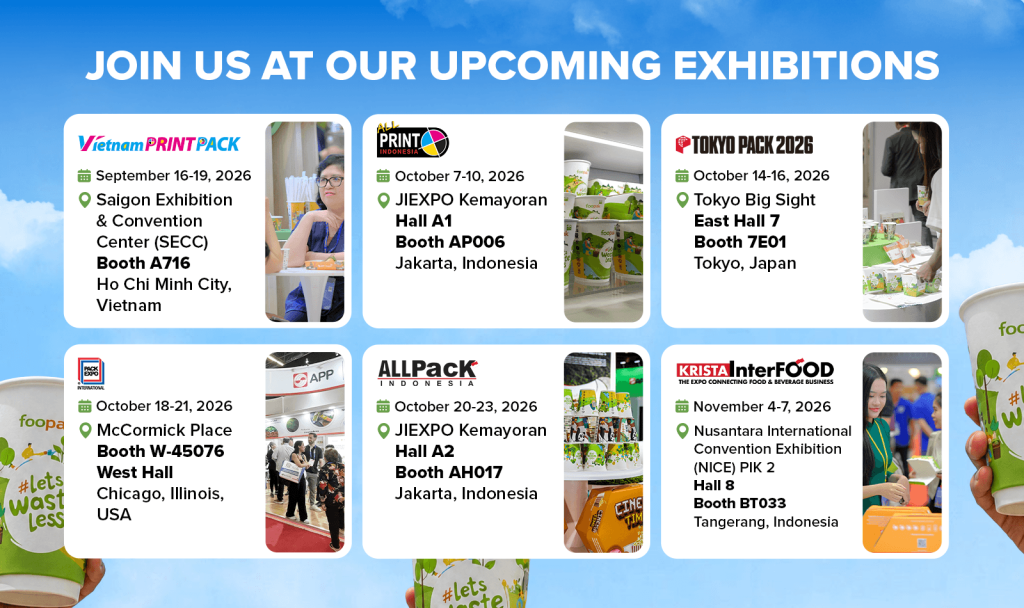
Q: Foopak has had an active presence at industry exhibitions across North America in 2026. What trends and customer conversations have stood out to you the most?
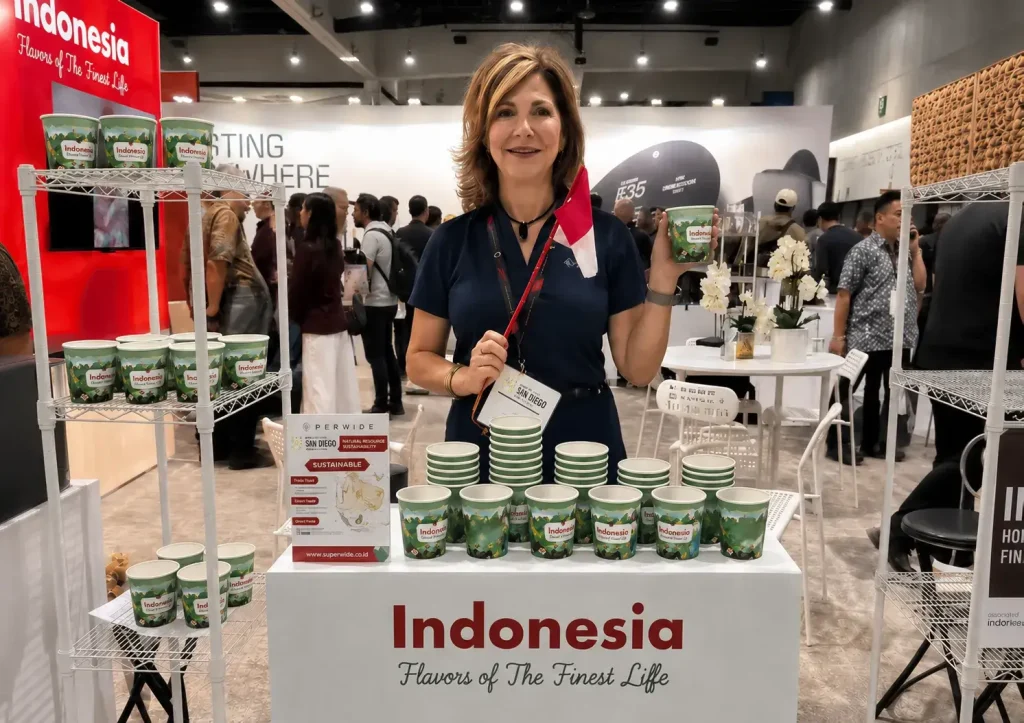
A: Everyone is looking for innovative materials and more sustainable packaging solutions. While Foopak has been in the market for many years, it’s still a new discovery for a lot of people because sustainability simply wasn’t a priority, or they were resistant or unsure how to make changes. When visitors come to our booth, they’re excited to find solutions that not only meet today’s sustainability goals but have also been successfully proven in the marketplace.
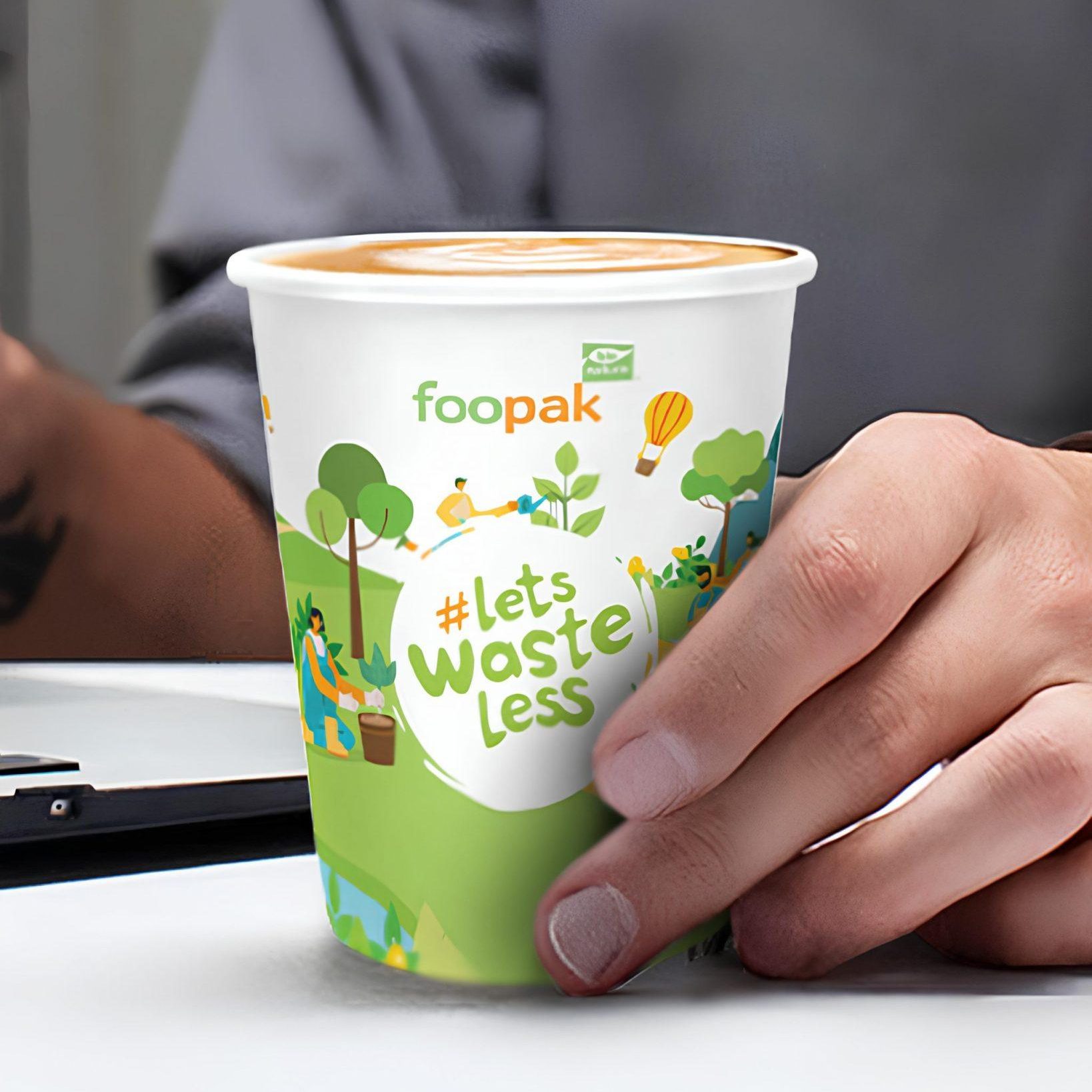
I think our booth also does a great job of reflecting who we are with a strong sustainability message, and that naturally draws people in. Once they’re there, they can see finished applications instead of just looking at a sheet of paper. They can hold a cup or a food container in their hands and get a better sense of how the product performs, which makes a big difference.
Q: Which Foopak products resonate most strongly with customers?
A: Customers are always interested in Foopak Bio Natura as a replacement for traditional polymer-based coatings. They’re also very excited about Sinar Terra Lite BC, our 100% recycled kraft packaging board. Customers see it as the best of both worlds: recycled fiber combined with a sustainable coating. It’s a compelling solution because they can achieve both recycled content and improved end-of-life performance in a single package.
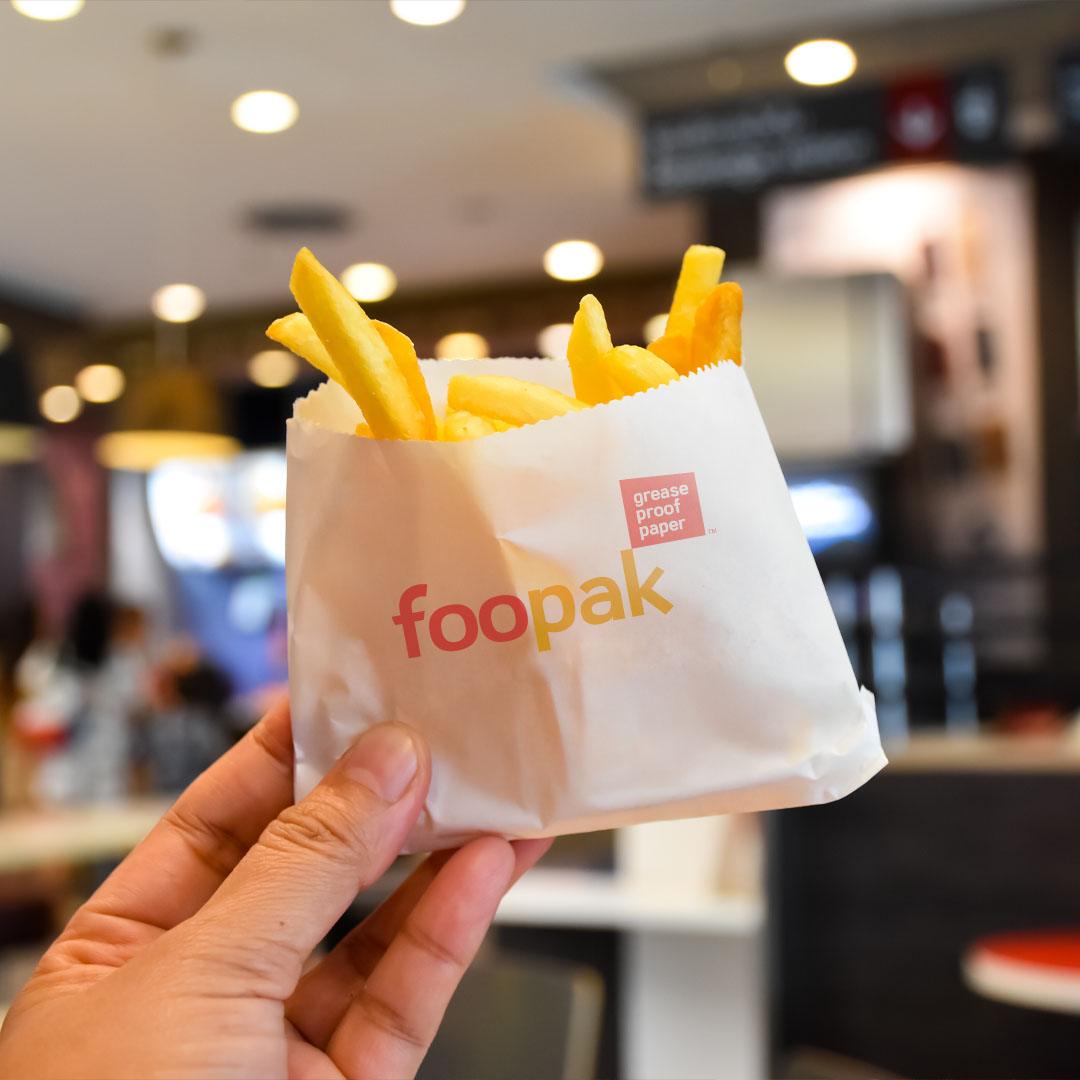
Another product customers are interested in is our greaseproof paper, which is very well received. It’s used for everything from French fry cartons and chicken sandwich packaging to pizza boxes, and it’s already being used by a lot of well-known brands across the U.S., so customers know it performs in real-world applications.
Q: What are the biggest challenges brands face when transitioning from plastic to paperboard, and how does Foopak help them make that transition successfully?
A: I think the biggest challenge is that customers want paperboard to perform like plastic while still being recyclable or compostable. That’s where it’s really important to understand the application, because every product has different requirements.
If a customer tells us they need a grease barrier, for example, the first question we ask is, ‘What’s the application?’ What type of food is going in the package? Is it going into the refrigerator, the freezer, or the microwave? Those details determine the type of barrier coating, the paperboard construction, and even whether additional properties like wet strength are needed. We also work closely with customers on testing and trials before they make a full transition, so we can make adjustments if needed and make sure the packaging performs as expected for their application. That’s how we help customers make the switch with confidence.
Read More: Unsustainable Packaging Costing Brands Sales in the US and Canada?
Q: How does Foopak’s R&D team help customers navigate evolving regulations and sustainability requirements?
A: Our R&D team plays a big role in making sure we have the certifications customers require. It’s not enough for us to say our products are recyclable or compostable, we must have scientific-based evidence to support this. That’s why we work with respected third-party organizations like TÜV DIN CERTCO, ISEGA, and Western Michigan University to validate our claims. At the same time, they’re continuously developing new barrier coatings and testing new applications so that our products stay ahead of changing regulations and meet customer expectations.”
Q: As we wrap up, what message would you like to share with brands and partners exploring more sustainable packaging solutions?
A: I’d definitely encourage them to connect with us. We’ve worked with customers across a wide range of applications, and we can share our knowledge to help them identify the right solution for their own packaging. If they’re looking to make a package more sustainable, we can often recommend practical changes that can make a real difference.
They don’t have to start from scratch because we’ve already done a lot of the hard work through our R&D, technical, and sustainability teams. That expertise is already here, and we’re ready to help customers shorten the learning curve, make the transition with confidence, and get to market faster with success.