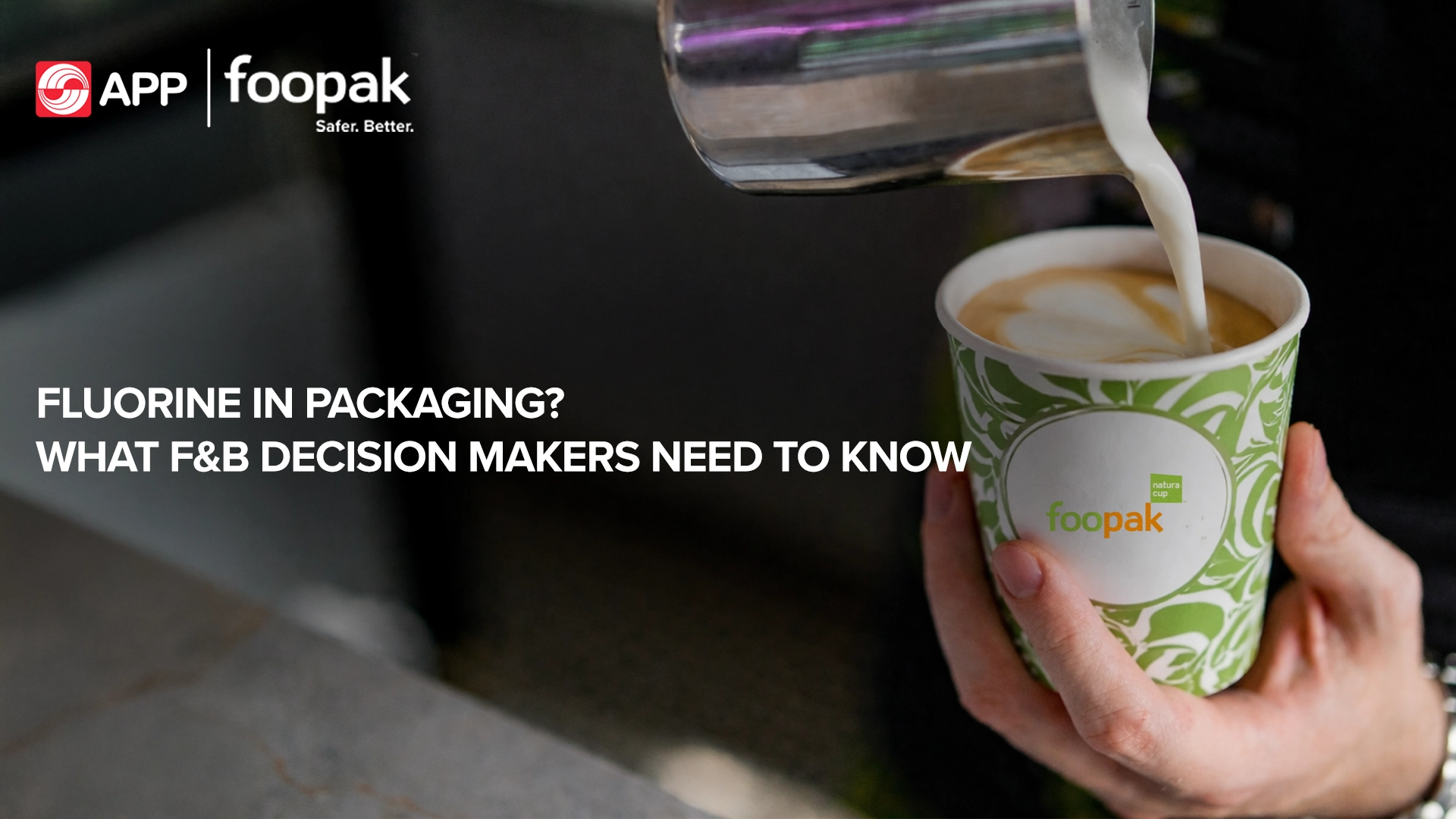
Food packaging is being watched more closely than ever. One topic that keeps surfacing in industry discussions is PFAS, short for per- and polyfluoroalkyl substances. These chemicals have long been used to make materials resistant to grease, water, and heat. The problem is, they do not easily break down in nature, which is why they are often called “forever chemicals.”
Recently, debate in the United Kingdom has brought even more attention to this issue. According to reporting by The Guardian, environmental groups criticised the government’s PFAS action plan as “crushingly disappointing,” arguing that it lacks firm timelines and strong restrictions for phasing out these chemicals in products, including food packaging. I placed this reference in this opening section to frame why the topic is urgent and globally relevant right now.
At the same time, regulatory and consumer pressure is increasing across Europe, the US, and Asia. For food and beverage businesses, this makes it a critical moment to understand what PFAS-free paper really means and how to make informed packaging decisions.
Read More: Paper Packaging Gains Ground: A Future Without Plastic?
PFAS-Free Claims Are Everywhere, but What Does It Actually Mean?
Today, “PFAS-free” appears on many product sheets and marketing materials. But not all claims are equal.
PFAS are often used in food packaging to create grease resistance, especially for items like fried foods, baked goods, and takeaway meals. A true PFAS-free paper product means that no intentionally added PFAS chemicals are used in the manufacturing process, and that proper controls are in place to prevent unintentional contamination.
For F&B decision makers, this means going beyond surface-level claims. It is important to ask how the material achieves grease resistance. Is it using alternative barrier technologies? Are there lab tests confirming non-detectable fluorine levels? Are there clear compliance documents aligned with evolving regulations?
As scrutiny increases, vague sustainability claims are no longer enough. Transparency and verification matter more than ever.
Regulatory Direction Is Shifting Faster Than Many Realize
Regulatory momentum around PFAS is accelerating. In the European Union, policymakers are tightening oversight on chemicals in food contact materials, including fluorinated substances. Several member states have already introduced or proposed restrictions on PFAS in packaging.
The debate in the UK, highlighted earlier, shows how food packaging is now part of mainstream environmental policy discussions, not just niche industry conversations. Similar pressure is building in the United States and parts of Asia, where state-level or national measures are targeting PFAS in consumer goods.
For businesses operating across multiple markets, this creates both risk and opportunity. Waiting until regulations become mandatory can lead to supply chain disruptions, rushed sourcing decisions, and reputational exposure. Moving early toward PFAS-free paper solutions can help future-proof operations and strengthen brand trust.
How F&B Businesses Can Verify PFAS-Free Food Packaging Before Purchasing
Switching to PFAS-free packaging should be a structured process, not a marketing shortcut. Here are practical steps decision makers can take:
- Ask for third-party test reports
Independent laboratory results showing non-detectable PFAS or compliance with regulatory thresholds provide stronger assurance than internal statements alone. - Request documentation on total fluorine content
Some regulations focus on total organic fluorine as an indicator. Suppliers should be able to provide technical data sheets and compliance declarations. - Review certifications and manufacturing standards
Look for credible certifications related to food safety, compostability, or responsible sourcing, and confirm that they align with your target markets. - Understand the barrier technology used
If a paper product is grease resistant, ask how that performance is achieved without fluorinated chemistry. - Include PFAS-free requirements in procurement contracts
Clear written specifications reduce ambiguity and protect your business if standards tighten further.
Taking these steps helps ensure that your packaging choices support both compliance and consumer confidence.
Foopak’s PFAS-Free Packaging Papers & Boards
Foopak offers a range of PFAS-free paper and board solutions developed specifically for food contact and food service applications. These products are engineered to deliver performance without relying on fluorinated chemicals.
- Foopak Grease Resistant Paper
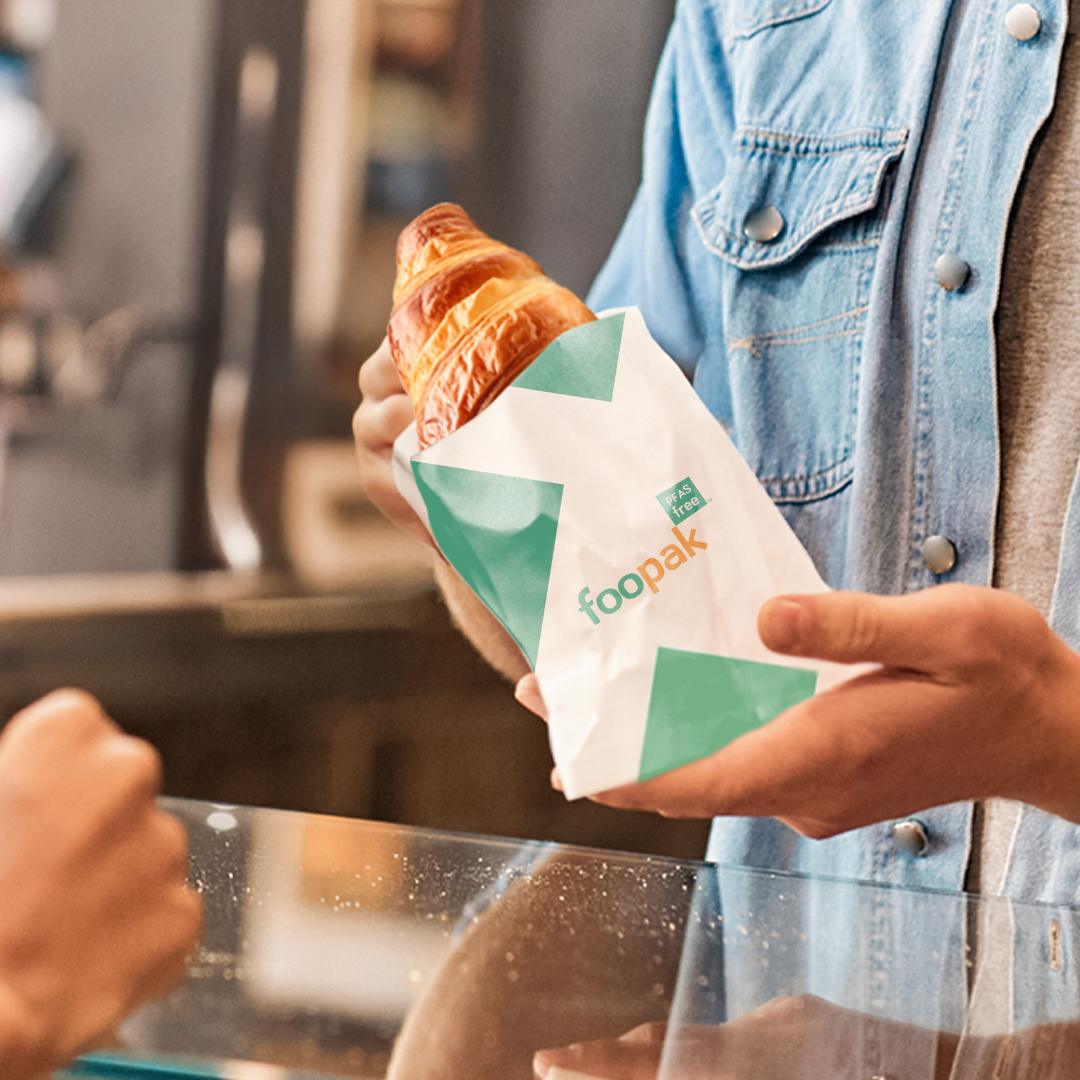
Designed for bakery items, fried foods, and quick-service applications, this paper delivers oil resistance without intentionally added PFAS. - Foopak Bio Natura
A versatile paperboard solution suitable for takeaway boxes, wraps, and premium food packaging where both sustainability and structural strength matter. - Foopak Natura Cup
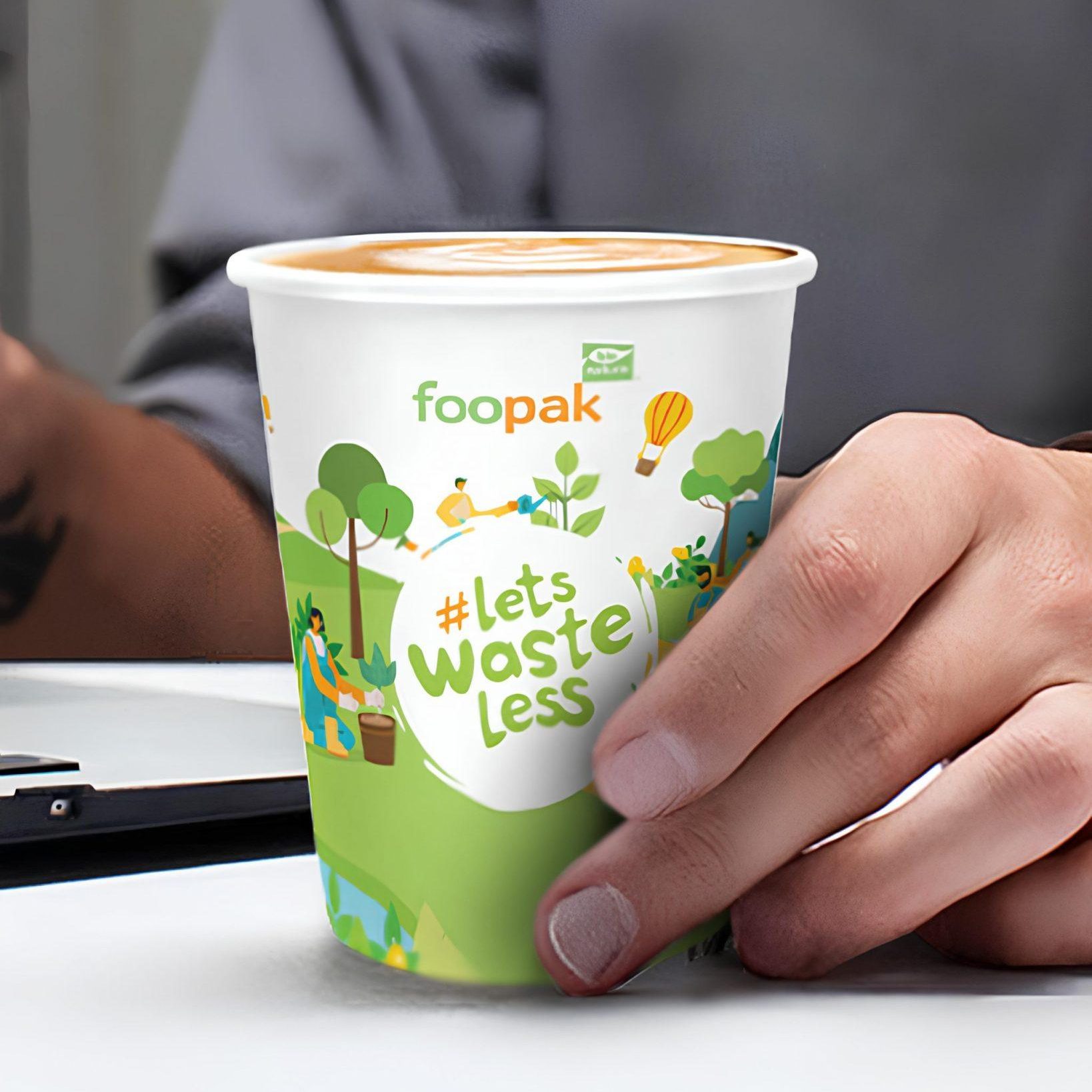
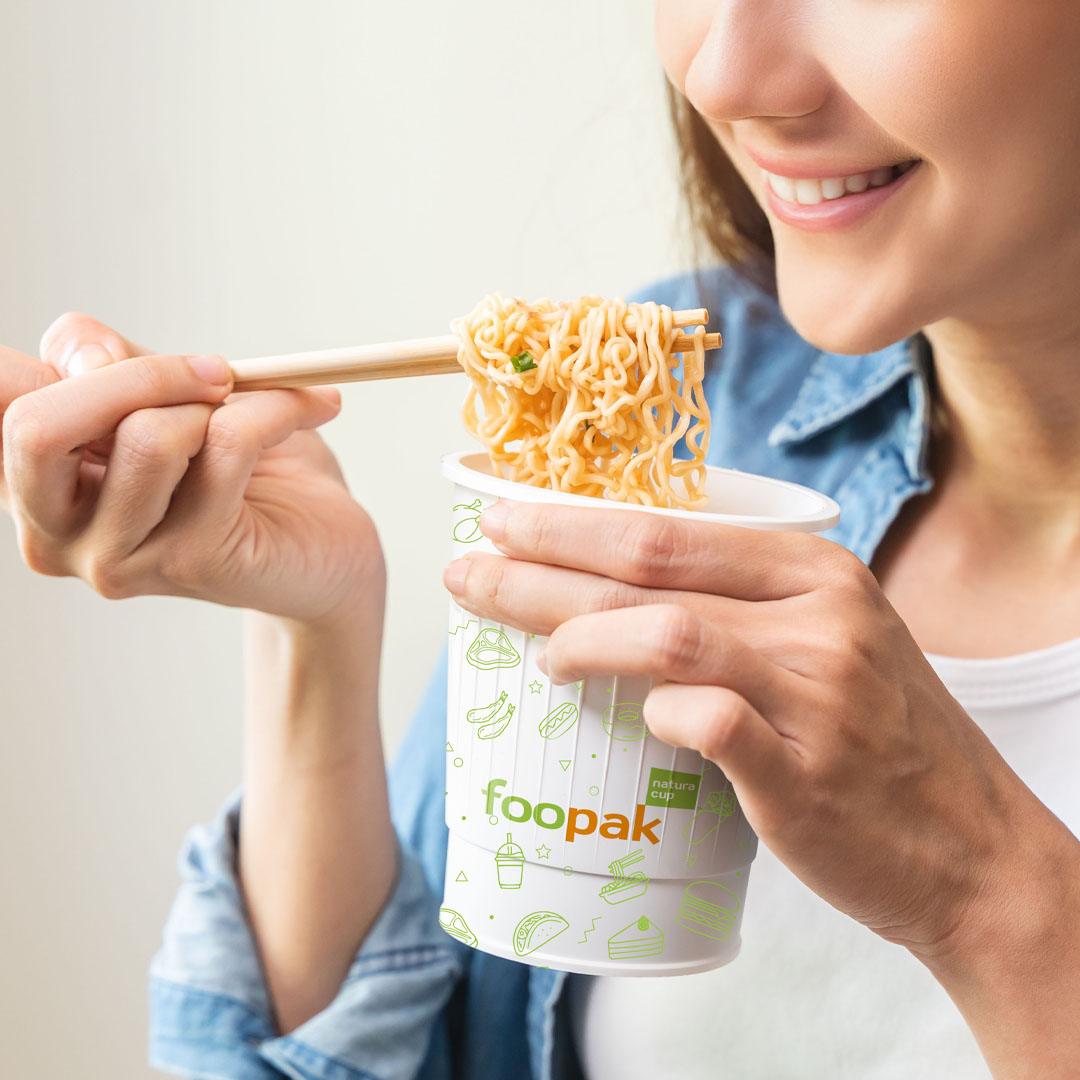
A PFAS-free cup solutions developed for hot and cold beverages, balancing durability, safety, and environmental performance. - Foopak Natura Gloss
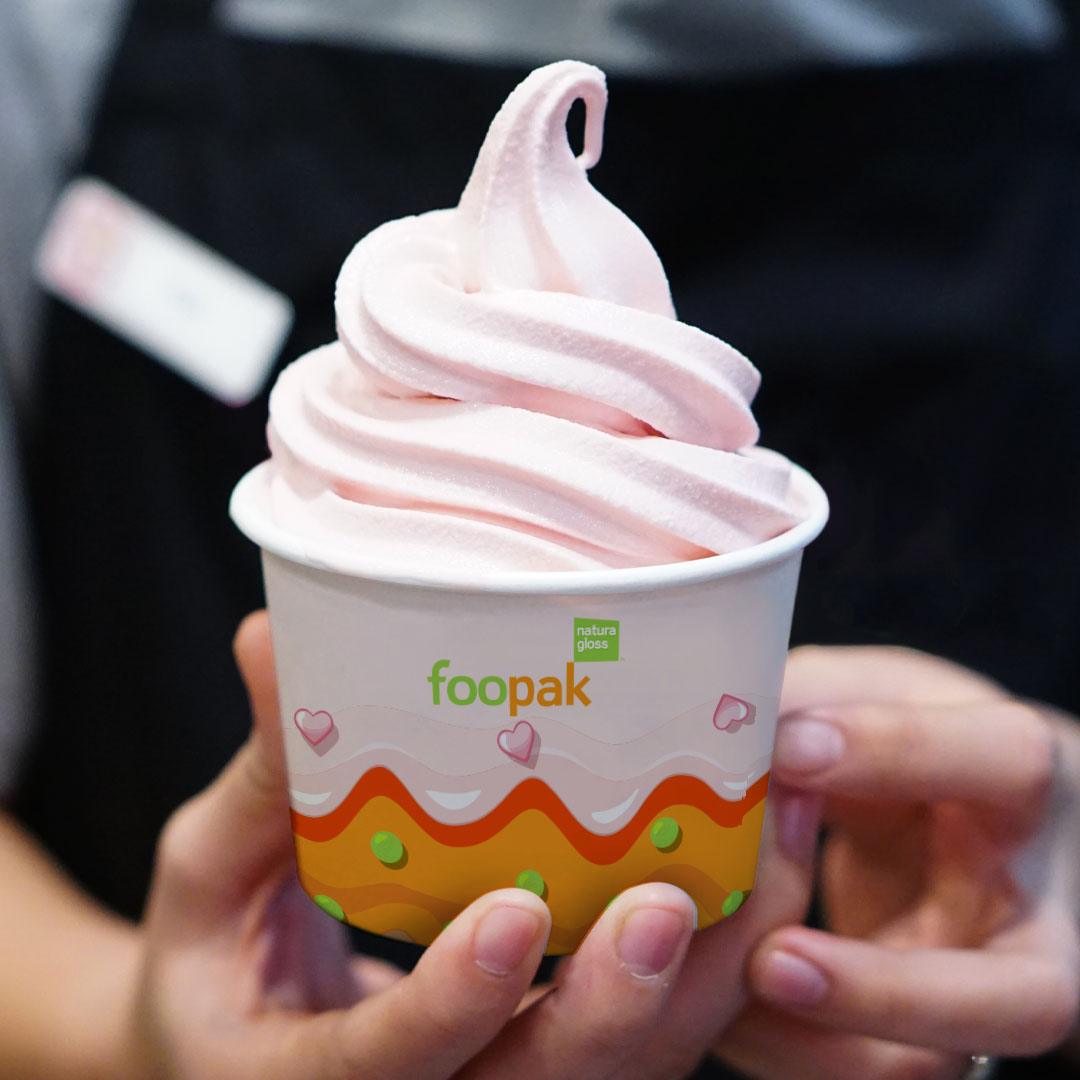
A premium-finish board that supports high-quality branding while maintaining PFAS-free standards for food-related applications.
Read More: Greaseproof Paper for Businesses: Why It’s a Smart Choice
As global attention on fluorinated chemicals continues to grow, choosing PFAS-free paper is no longer just a sustainability gesture. It is a strategic decision that reflects regulatory awareness, supply chain responsibility, and a long-term commitment to safer food packaging.
For F&B businesses evaluating their next packaging move, now is the right time to review material specifications and partner with suppliers like Foopak that prioritize transparency, performance, and PFAS-free innovation.