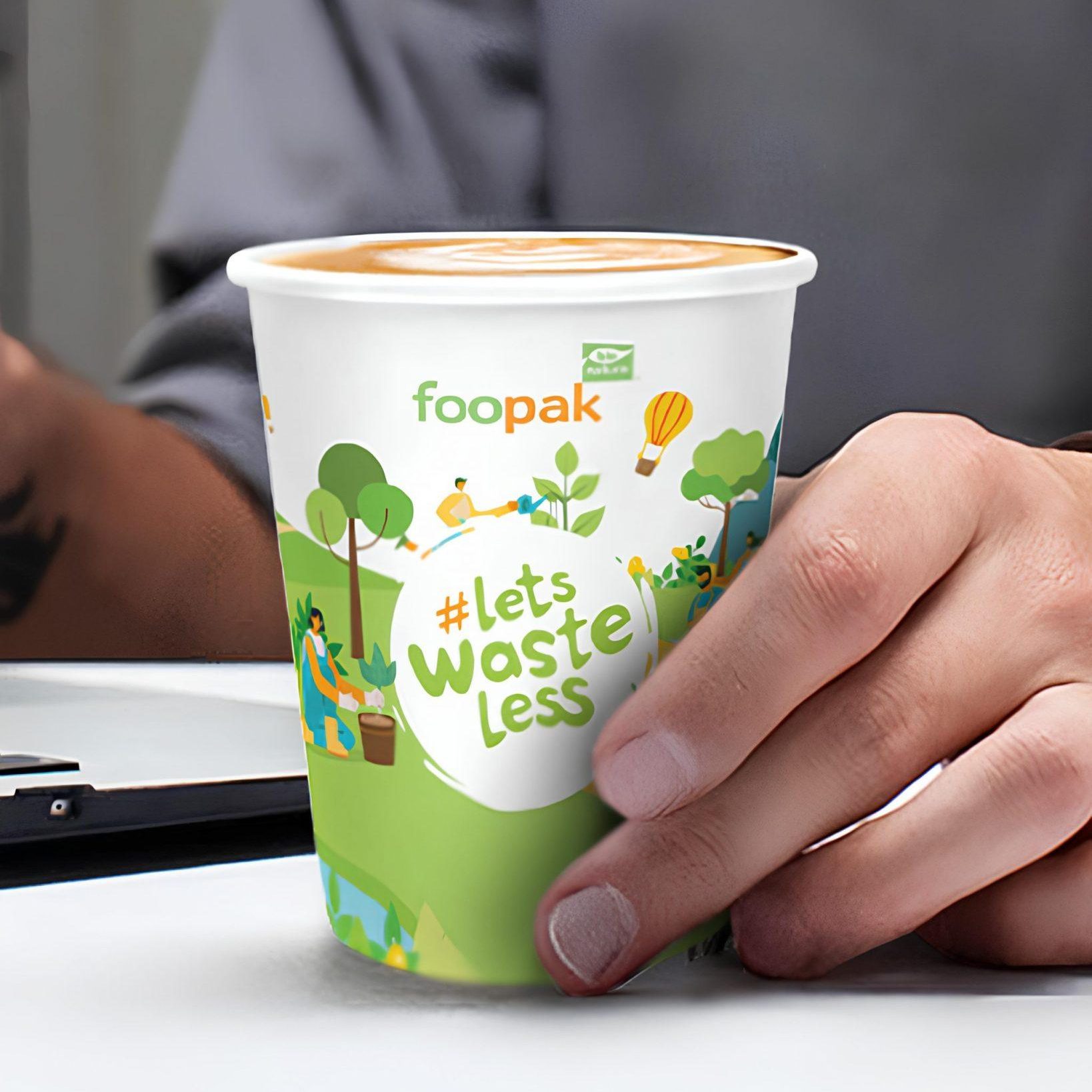

Traceability in food packaging is the ability to follow a food product’s journey from where it started to where it ends up. It shows where the ingredients came from, how the product was made, where it has been stored, and how it reached the store or consumer. Good traceability helps make food systems safer and more reliable.
Why is Traceability Important in Food Packaging?

Based on research from Wageningen University and the Institute of Food Technologists, traceability plays a key role in modern food systems and packaging.
1. Food Safety
If there is a problem with a food product, traceability lets companies find the source of the issue quickly. This helps stop unsafe food from reaching more people.
2. Faster Recalls
When a product is unsafe, companies need to take it off the market fast. Traceability helps find the exact batch that needs a recall.
3. More Transparency
Customers want to know where their food comes from and how it was made. Traceability systems can give this information.
Read More: The Smart Choice: Make a Sustainable Impact with PEFC-Certified Paper Packaging
4. Better Supply Chain Management
Traceability helps producers and sellers manage inventory, reduce waste, and improve logistics by seeing where products are at all times.
5. Standards and Tools
New tools like the Traceability Driver help make traceability data easier to share and use across the whole supply chain. These tools make traceability faster and more efficient for businesses.
Types of Traceability Technology Used in Packaging
QR Codes
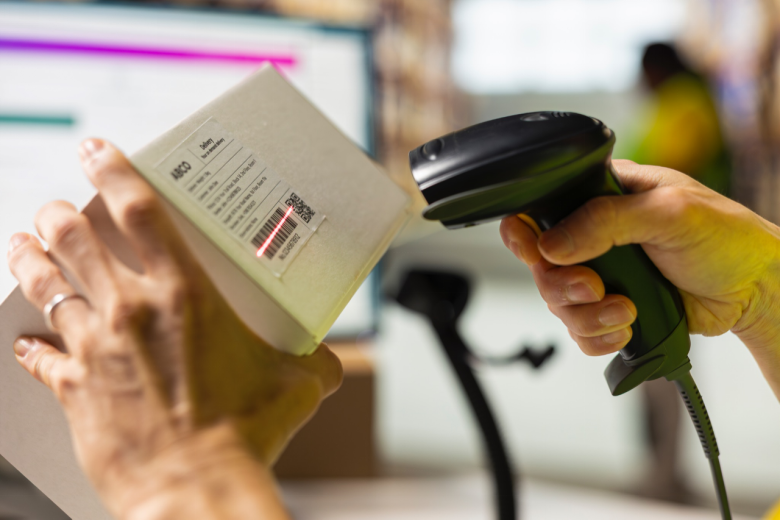
QR codes are two-dimensional codes that anyone can scan with a smartphone. They can tell customers where a product came from, how it was made, and details like ingredients or certifications. These codes help people learn more about the food they buy.
Read More: Sustainability Sells: 89% of Consumers Would Pay More for Eco-Friendly Packaging
Serialized Barcodes
Serialized barcodes are unique codes printed on packaging. Each code represents a specific package or batch. These barcodes let companies scan and track products at each step in the supply chain. They are widely used because they are simple and cost-effective.
NFC or RFID Tags
NFC (Near Field Communication) and RFID (Radio Frequency Identification) tags use radio waves to send information. RFID tags can be read from a distance and do not need a direct line of sight. This makes them useful for tracking many products at once and for real-time visibility in warehouses and transport.
Make Every Pack Traceable with Foopak
Traceability starts with the right packaging. Foopak is a paperboard product with high printability, making it suitable for QR codes and serialized barcodes.
This allows each pack to link to product information clearly and reliably. Foopak supports transparency, faster recalls, and stronger consumer trust across the food supply chain.