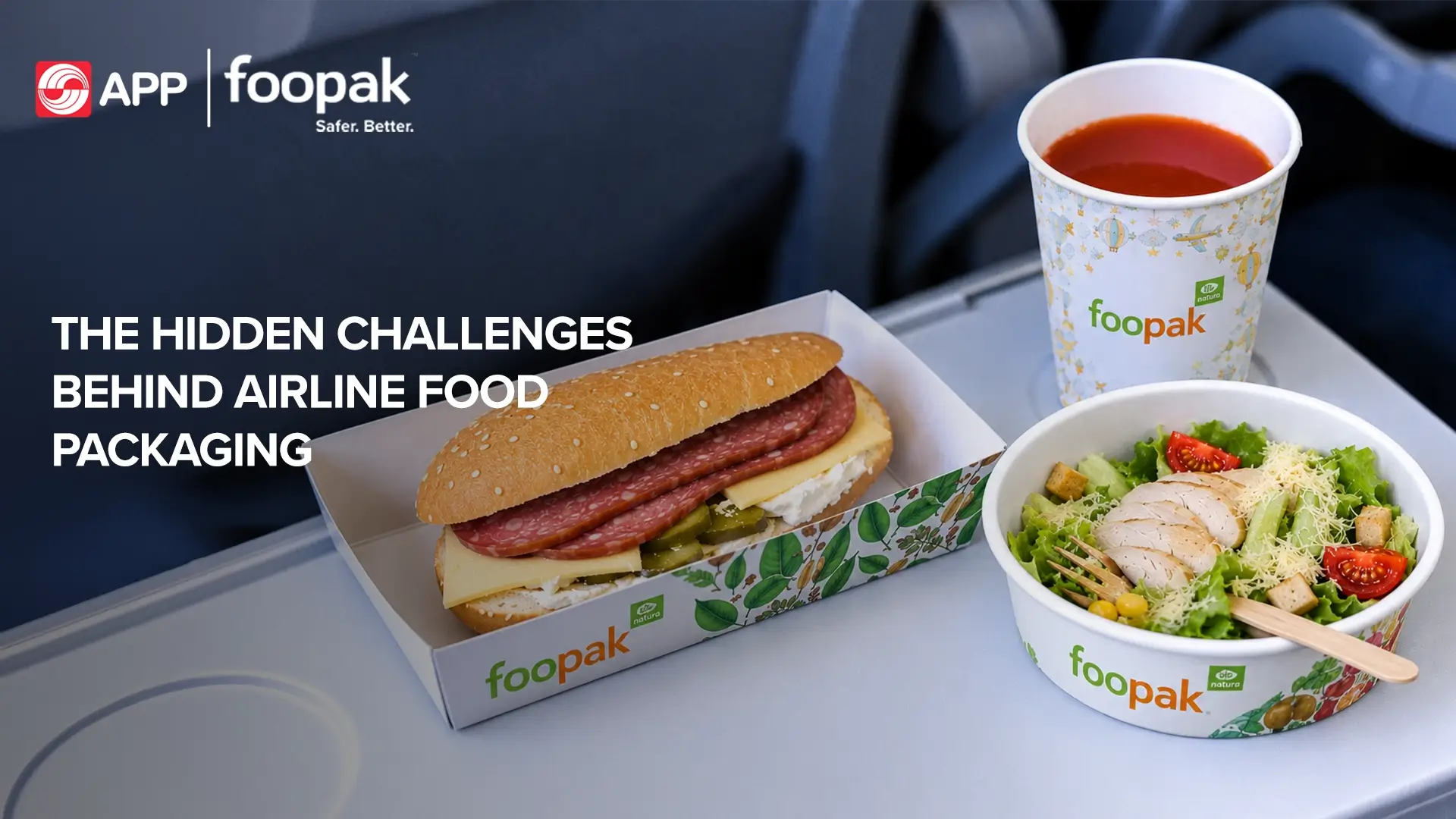
Airline food packaging operates under a unique set of constraints that extend well beyond protecting food. Every package must support efficient catering operations, fit seamlessly into galley systems, maintain food quality throughout the journey and add as little weight as possible to the aircraft. As a result, packaging solutions that work well in conventional foodservice may not always be suitable for inflight use.
Read More: A Practical Path to High-Performing, Fully Recyclable Packaging
Why Airline Food Packaging Requires a Different Approach
International Catering Waste (ICW) Rules Limit Recycling Opportunities
One of the biggest misconceptions about airline packaging is that recyclable materials will always be recycled. In reality, food packaging from international flights is often classified as International Catering Waste (ICW) and treated as controlled waste due to biosecurity concerns. Within the European Union, for example, Regulation (EC) No 1069/2009 requires catering waste from many international flights to be disposed of under strict animal by-product rules, limiting conventional recycling opportunities.
These regulations highlight why material choice alone does not determine sustainability. Even recyclable packaging may end up being incinerated, which is why airlines increasingly focus on reducing material use, lowering weight and selecting packaging that delivers the best environmental performance across its entire lifecycle, not just at the point of disposal.
Performance Matters Just as Much as Sustainability
In aviation, lightweight packaging is more than a design preference, it directly influences fuel consumption and carbon emissions. Because every kilogram carried onboard contributes to fuel burn, airlines carefully evaluate packaging weight alongside durability, food protection and ease of handling. A package that is slightly heavier but perceived as “greener” may not always deliver the lowest overall environmental impact.
This is why the aviation industry increasingly relies on Life Cycle Assessment (LCA) when comparing packaging options. As highlighted by IATA, effective airline packaging strikes a balance between operational performance and sustainability, recognising that material efficiency can be just as important as recyclability in reducing environmental impact.
Read More: Step-by-Step: Calculating the Life Cycle Impact of Packaging Materials
How Foopak Supports Airline Food Packaging
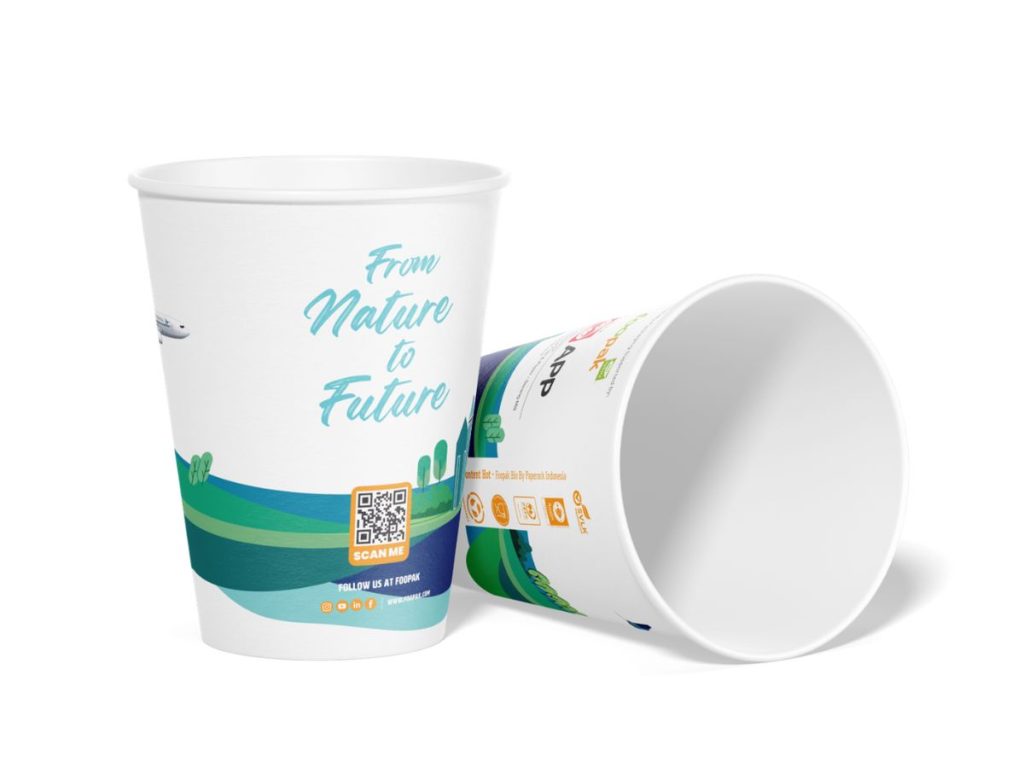
Foopak’s paper-based food packaging is designed to meet the practical demands of airline catering without losing sight of sustainability goals. Combining lightweight construction with strong grease and moisture resistance, Foopak helps protect food quality while supporting efficient handling throughout catering and inflight service. Foopak also brings practical industry experience, having previously collaborated with Garuda Indonesia to supply paper-based packaging for inflight meal service.
Rather than focusing on a single sustainability claim, Foopak takes a balanced approach. Responsibly sourced fibre, reliable performance and material efficiency work together to help airlines navigate the operational realities of inflight catering while progressing towards more sustainable packaging solutions.
FAQ
1. What is food-grade packaging?
Food-grade packaging is packaging made from materials that are considered safe for direct or indirect contact with food under their intended conditions of use. It is designed to protect food from contamination while maintaining its quality and safety. Materials used for food packaging may need to meet specific requirements related to food contact, migration, temperature, and the type of food being packaged.
2. What companies make food for airlines?
Airline meals are typically prepared through specialized inflight catering operations, while other companies provide the packaging and materials used to serve and protect the food. Foopak is one example of a paper and paperboard supplier for inflight food and beverage packaging. Foopak has previously collaborated with Garuda Indonesia through APP Group to provide paper-based packaging for food, beverages, and cutlery as part of the airline’s sustainability initiatives.
3. Why does food taste different on airplanes?
Food can taste different on airplanes because the cabin environment affects how we perceive flavor. Lower cabin pressure, very low humidity, and background aircraft noise can reduce the perception of certain tastes and aromas, particularly sweetness and saltiness. Research conducted under simulated aircraft conditions found that people generally had higher taste and odor thresholds under low-pressure conditions, meaning some flavors became less noticeable.