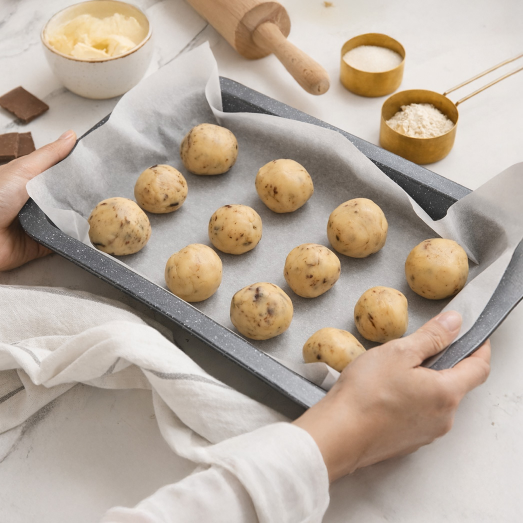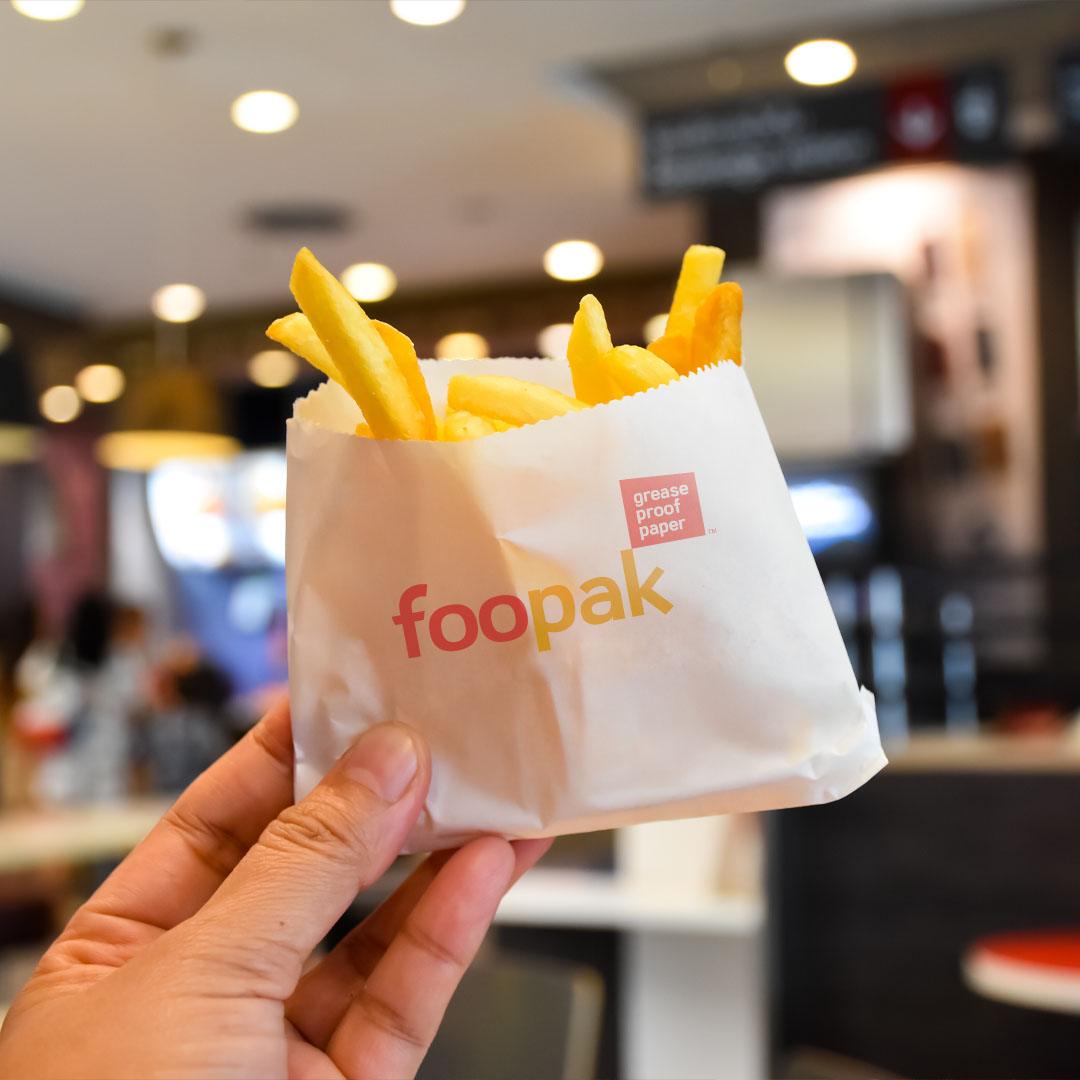
The short answer is that yes, baking paper and parchment paper are generally the same thing. In many countries, “baking paper” is the preferred term, while in others, especially North America, “parchment paper” is more commonly used. Both are designed to provide a non-stick, heat-resistant surface for baking, making food release easier while reducing the need for grease or oil.
However, confusion often arises because other paper products, such as greaseproof paper and wax paper, look similar but serve different purposes. Understanding these distinctions can help you choose the right paper for every baking task.
What is Baking Paper Made of?
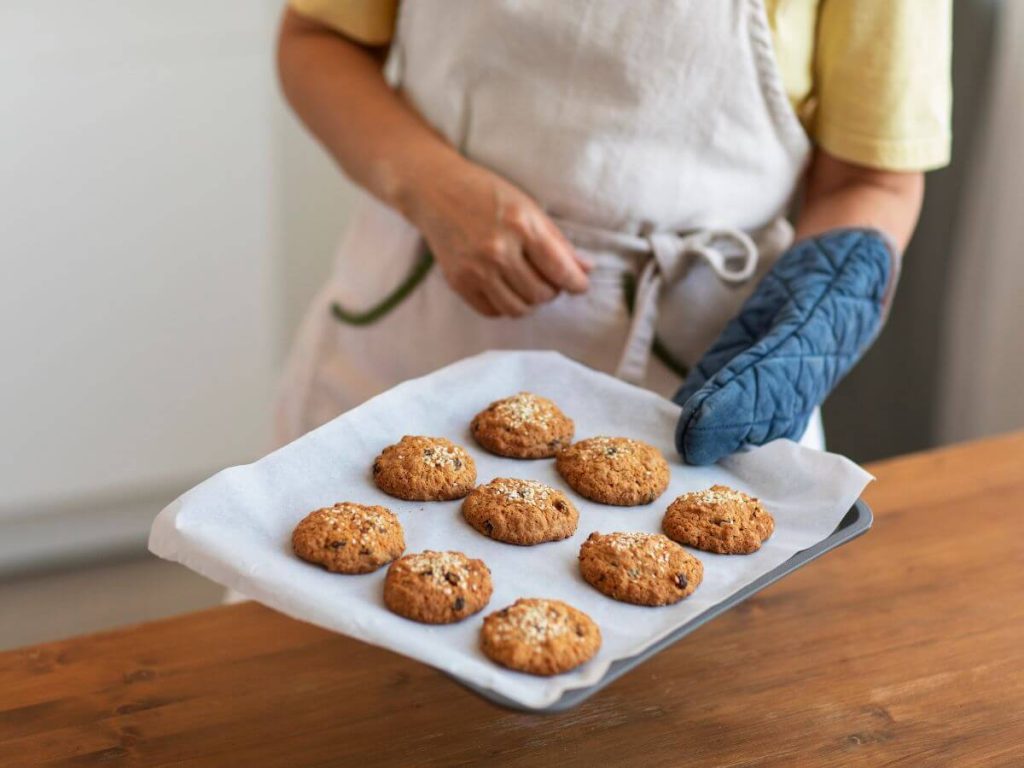
High-quality baking paper is engineered specifically for baking applications. Using Foopak Baking Paper as a reference, modern baking paper is made from 100% virgin pulp and coated on both sides with a food-grade silicone barrier. This combination provides excellent baking performance while meeting strict food safety requirements.
The paper itself provides structural strength, while the silicone coating delivers several functional benefits:
- Excellent non-stick release for baked goods
- High heat resistance for oven baking
- Strong grease resistance to prevent oil seepage
- Cleaner baking trays with less need for additional grease
- More consistent baking results for home and commercial applications
Read More: Why Foopak Ovenable Board Is Ideal for Baking and Ready Meals
Differences Between Standard Baking Paper, Greaseproof Paper, and Parchment Paper
Baking Paper vs. Parchment Paper
Baking paper and parchment paper are the same product. The difference is simply the terminology used in different regions. In countries such as the United States and Canada, the term parchment paper is more common, while baking paper is widely used in Europe, Australia, and many parts of Asia. Both refer to silicone-coated paper specifically designed for baking.
Baking Paper vs. Greaseproof Paper
This is where the distinction becomes more important. Greaseproof paper is manufactured using refined paper fibers that naturally resist oil and grease. While it performs well for wrapping bakery products and food packaging, it does not have the silicone coating that gives baking paper its superior non-stick performance.
Interestingly, Foopak’s product portfolio illustrates this difference well:
- Foopak Natural Greaseproof Paper is produced from 100% virgin pulp through pure fibre refinement without added chemicals and serves as an excellent grease-resistant paper for food packaging. It can also be used as a base paper that is later siliconized and converted into baking paper.
- Foopak Baking Paper adds a silicone barrier to create the non-stick, oven-ready surface required for baking applications.
Read More: Greaseproof Paper for Businesses: Why It’s a Smart Choice
Debunking Myths About Baking Paper
Despite being a common kitchen essential, baking paper is still surrounded by several misconceptions.
1. Myth: All Baking Paper Contain Harmful Chemicals
Not all baking papers are made to the same standard. Premium baking papers are specifically manufactured for direct food contact using food-grade materials. For example, Foopak Baking Paper is made from 100% virgin pulp, uses a food-grade silicone barrier, is PFAS-free, and is designed to comply with recognized food safety standards, including FDA requirements and ISEGA-certified food contact safety.
Choosing baking paper from reputable manufacturers helps ensure both safety and consistent baking performance.
2. Myth: Baking Paper is the Same as Wax Paper
Although they may appear similar, baking paper and wax paper are very different products. Wax paper is coated with wax, making it moisture-resistant but unsuitable for oven use, as the wax can melt under high heat.
Baking paper, on the other hand, is designed with a heat-resistant silicone coating that maintains its non-stick properties during baking. That’s why recipes calling for parchment paper or baking paper should never be substituted with wax paper in the oven.
3. Myth: Baking Paper Can Catch Fire Easily
Baking paper is designed to withstand normal baking temperatures when used correctly.
For example, Foopak Baking Paper offers excellent heat resistance and stable performance during baking applications. Earlier product specifications indicate resistance up to approximately 220°C (428°F), making it suitable for most home and commercial baking processes.
However, like any paper-based product, it should always be used according to the manufacturer’s recommendations:
- Do not exceed the recommended temperature.
- Avoid direct contact with oven heating elements or open flames.
- Trim excess paper hanging over baking trays.
- Follow your oven manufacturer’s safety guidelines.
Used properly, baking paper is both safe and reliable for everyday baking.
Foopak Baking Paper for Your Baking Needs
The quality of your baking paper can make a noticeable difference, not only in food release but also in cleanliness, efficiency, and overall baking consistency. Foopak Baking Paper is designed to support both home bakers and commercial food producers with features that include:
- Made from 100% virgin pulp
- Food-grade silicone barrier on both sides
- Excellent non-stick release properties
- High heat resistance
- Strong grease resistance to reduce oil seepage
- Compliance with recognized food safety standards
- Suitable for cookies, pastries, and various bakery products
No matter what’s on the menu, using the right baking paper makes baking easier by helping food release cleanly, reducing mess, and supporting consistent results every time. From cookies and pastries to cakes, breads, and other baked goods, this specialty paper delivers dependable non-stick performance and heat resistance to help you bake with confidence.