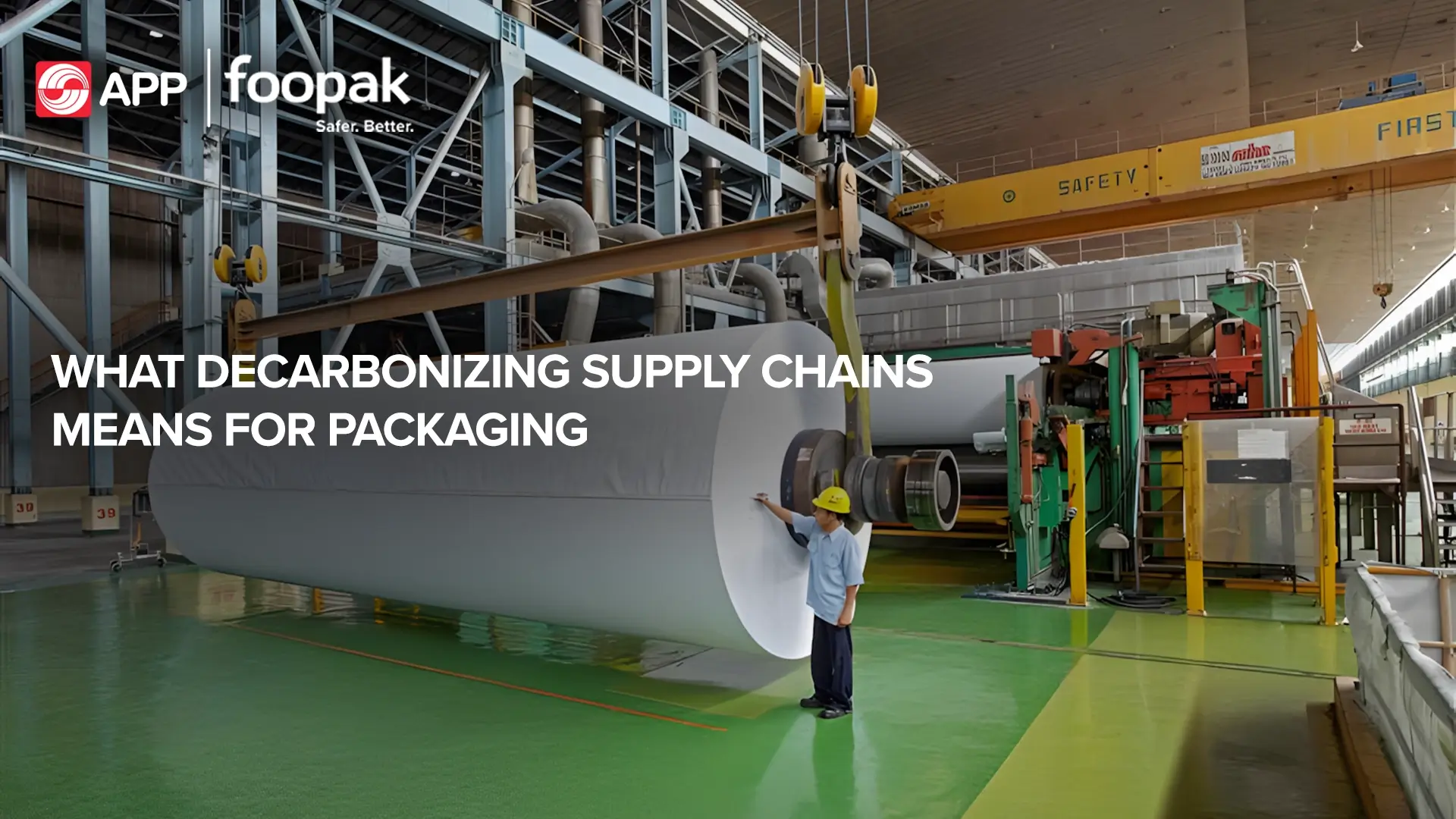
Supply chain decarbonization has become a major priority as businesses across industries work toward climate targets. While much attention is often placed on manufacturing, transportation, and energy use, packaging is increasingly recognized as an important part of the equation.
Recent discussions at the 2026 World Economic Forum (WEF) in Davos highlighted growing investments in supply chain decarbonization. One notable initiative was a proposed US$2 billion finance model aimed at scaling lower-carbon materials for paper, packaging, and textile supply chains, including alternatives made from agricultural residues and recycled textiles. The development reflects a growing recognition that reducing emissions requires action across the entire value chain, including the packaging materials businesses choose.
What Does Decarbonizing Supply Chains Mean for Packaging?
Supply chain decarbonization refers to the process of reducing greenhouse gas emissions generated throughout the lifecycle of a product, from sourcing raw materials and manufacturing to distribution and end-of-life management.
For packaging, this means looking beyond functionality and cost to consider how materials are sourced, produced, transported, and recovered after use. As companies seek to reduce their Scope 3 emissions (the indirect emissions generated throughout their value chains), packaging is becoming a strategic area for improvement. In many industries, these indirect emissions account for the majority of a company’s overall carbon footprint.
Read More: What Scope 3 Emissions Are (and Why They’re a Big Deal)
How Packaging Plays a Critical Role in Supply Chain Emissions
Packaging influences supply chain emissions in several ways:
Material Sourcing
The environmental impact of packaging begins with the raw materials used. Materials derived from renewable or responsibly managed sources can help reduce reliance on fossil-based resources and support lower-carbon supply chains.
Manufacturing Impact
Different packaging materials require varying amounts of energy and resources during production. Companies are increasingly evaluating the carbon footprint associated with manufacturing processes when selecting packaging solutions.
Transportation Efficiency
Packaging design affects how products are shipped and stored. Lightweight and optimized packaging can help improve logistics efficiency and reduce transportation-related emissions.
End-of-Life Outcomes
The ability to recycle, compost, or recover packaging materials can influence the overall environmental impact of a product. Packaging that supports circularity can help reduce waste while keeping valuable materials in use for longer.
How to Shift Toward Lower-Carbon Packaging Materials

Organizations looking to reduce packaging-related emissions can consider several approaches:
1. Prioritize Renewable Fibre-Based Materials
Fibre-based packaging is gaining attention as companies seek alternatives that support lower-carbon supply chains. Industry initiatives launched in 2026 have specifically highlighted fibre-based and next-generation paper materials as part of broader decarbonization efforts.
2. Design for Circularity
Packaging designed for recycling, recovery, or composting can help reduce environmental impacts throughout its lifecycle and support circular economy goals.
3. Work with Responsible Suppliers
Supplier collaboration is becoming increasingly important as companies address Scope 3 emissions. Working with suppliers that prioritize sustainability, transparency, and responsible sourcing can help strengthen decarbonization efforts across the value chain.
4. Consider the Full Lifecycle
Rather than evaluating packaging solely on upfront costs, businesses are increasingly assessing the broader environmental impact of materials across sourcing, production, transportation, and disposal.
Read More: Step-by-Step: Calculating the Life Cycle Impact of Packaging Materials
Learn How Foopak Supports Lower-Carbon Packaging Solutions
As supply chain decarbonization becomes a growing focus for businesses worldwide, packaging choices play an increasingly important role in supporting sustainability goals.
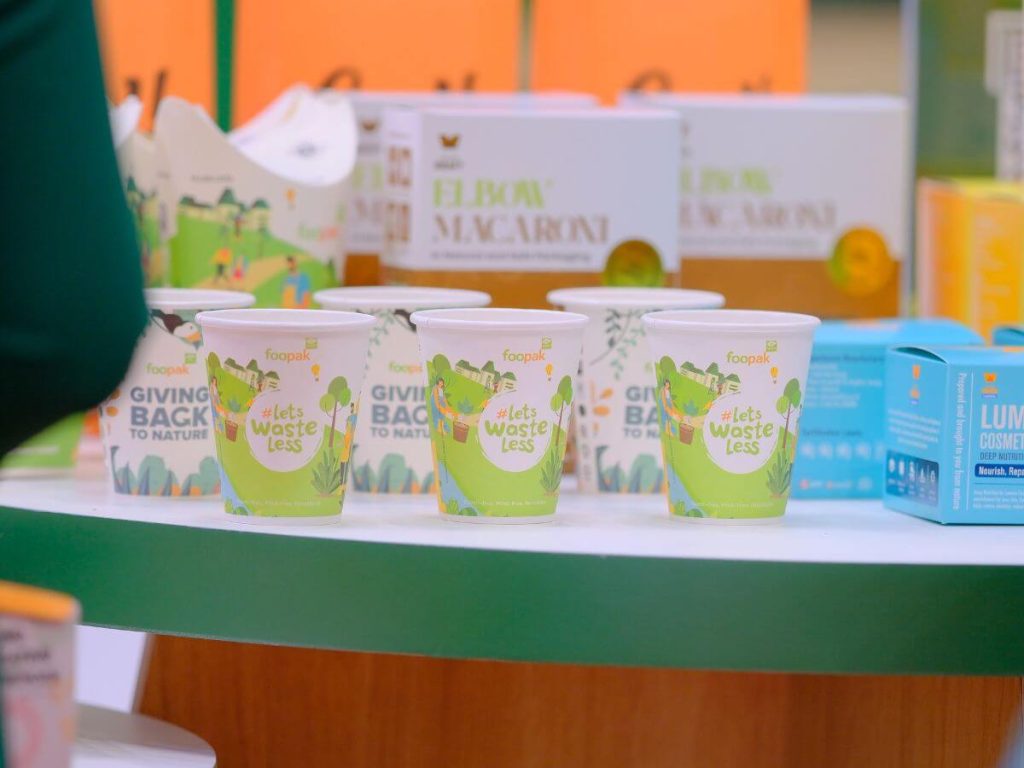
Foopak offers fibre-based paperboard packaging solutions designed to help brands transition toward renewable packaging materials while maintaining the performance required for food service and consumer applications. By combining responsible material sourcing with innovative paperboard technology, Foopak supports businesses seeking packaging solutions that align with evolving sustainability expectations and lower-carbon supply chain strategies.
Explore Foopak’s range of fibre-based packaging solutions and discover how your business can take meaningful steps toward a more sustainable future.