The Taipei Floral Picnic is part of the annual Taipei Azalea Festival, organized by the Department of Information and Tourism, Taipei City Government. Held on March 28-29 at Daan Forest Park, often referred to as the “Lungs of Taipei”, the event invites residents to enjoy nature right in the heart of the city.
Read More: Running Toward a Greener Future: Foopak’s Environmental Impact in the First Half of 2025 Races
Why Sustainability Is a Natural Focus for the Taipei Floral Picnic
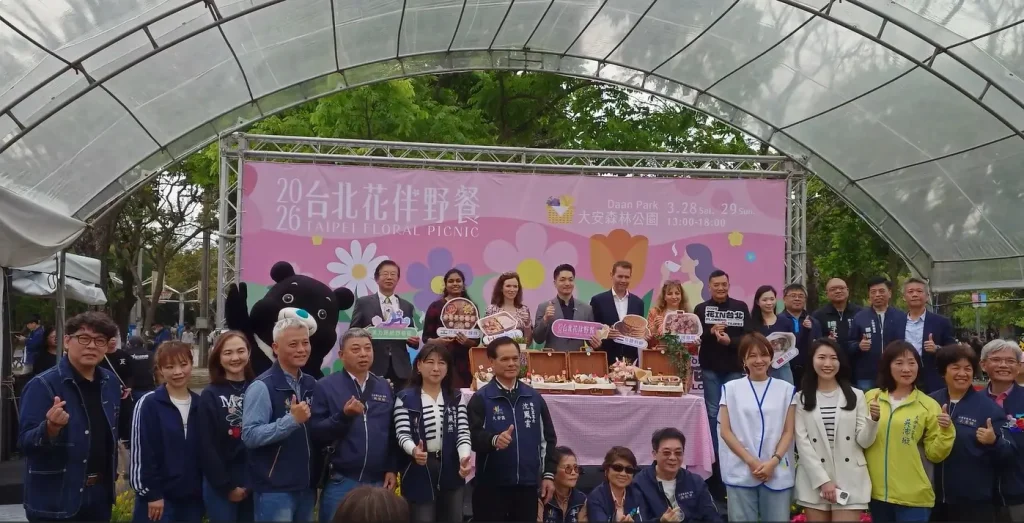
As one of Taipei’s largest and most popular green spaces, Daan Forest Park plays an important role in promoting environmental awareness. Hosting a nature-themed picnic in this setting naturally reinforces the importance of preserving urban ecosystems, especially as flowers begin to bloom across the city each spring.
Since its introduction in 2024, the Floral Picnic has become a recurring event, drawing thousands of visitors each year. With attendance expected to reach around 50,000 people over two days, it also presents a valuable opportunity to demonstrate how sustainability can be integrated into large-scale public gatherings.
Reducing Single-Use Waste at the Event Through Better Packaging Choices
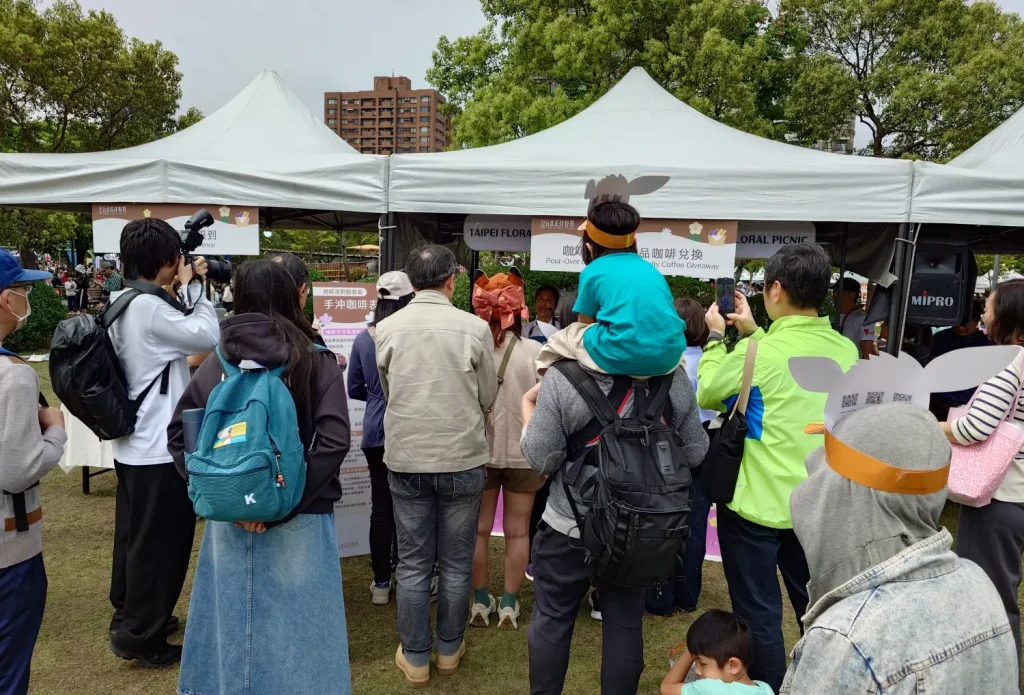
With food and beverage booths forming a key part of the picnic experience, packaging plays a major role in the event’s environmental footprint. This is where Foopak stepped in as a sustainable packaging partner.
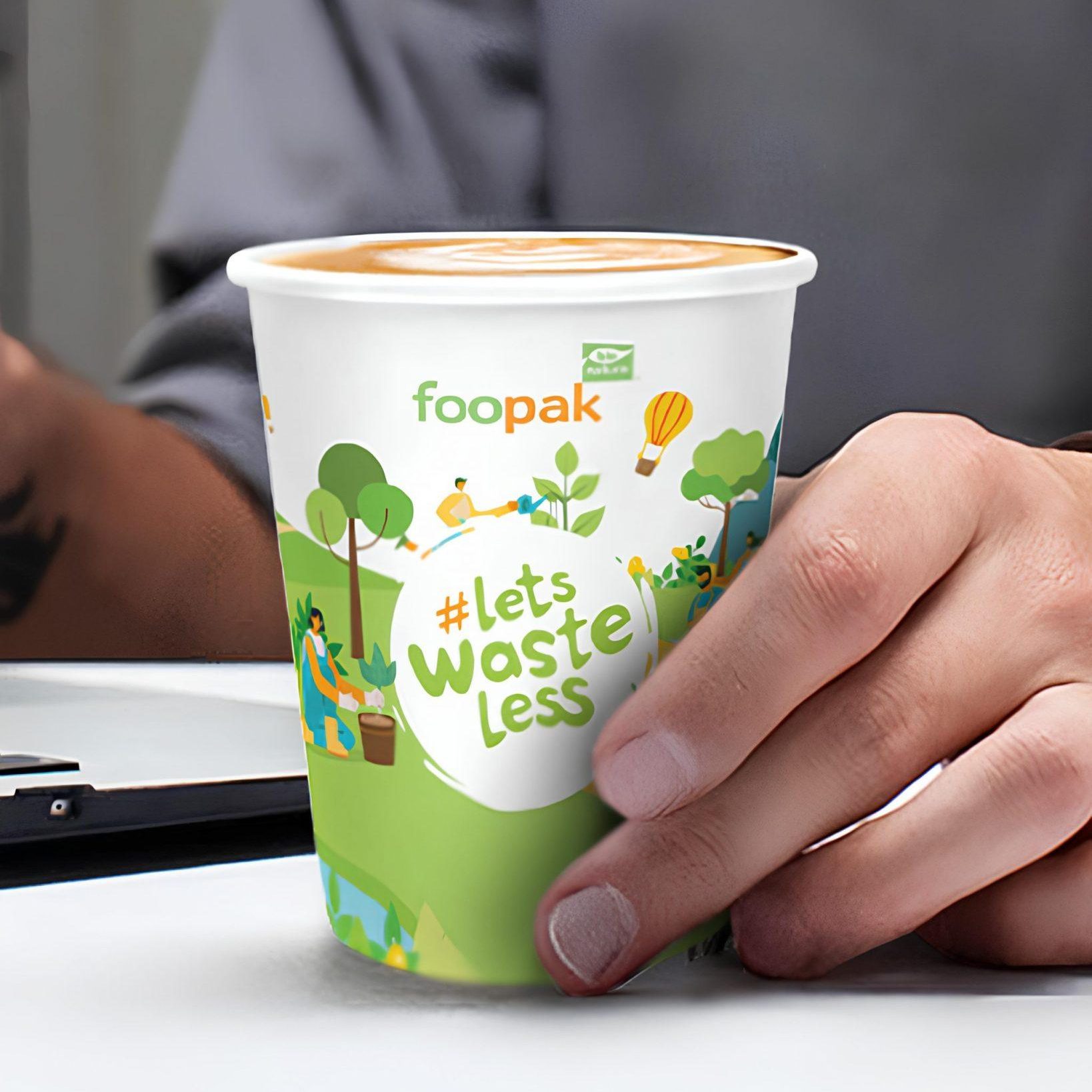
Selected as one of the preferred suppliers, Foopak provided approximately 2,000 bio-based paper cups for use across coffee booths. These cups are designed to be recyclable and biodegradable, offering a more responsible alternative to conventional plastic-lined cups.
Read More: Discover the Truth: Can All Paper Cups Actually Be Recycled?
By replacing single-use plastic options with paper-based solutions, the event was able to significantly reduce non-recyclable waste. Even small shifts like this, such as choosing better materials for everyday items like drink cups, can collectively make a meaningful impact when scaled across thousands of visitors.
Peter Chen, General Manager of APP Taiwan, shared:
“Our goal aligns perfectly with Taipei’s vision for a sustainable capital. We are proud to provide our compostable and recyclable cups for the Taipei Floral Picnic. With no plastic lining, we hope our cups allow visitors to more fully enjoy the original aroma of their coffee while helping the city eliminate non-recyclable waste this spring.”
Why Taiwan Is Advancing Quickly Toward a Circular Economy
Taiwan’s push toward sustainability goes far beyond individual events. It is part of a broader, nationwide effort to promote zero-waste practices and full recycling systems.
- National shift from waste management to circular economy systems
Taiwan is actively transitioning from traditional waste management to a circular economy approach focused on reducing waste at the source, improving resource efficiency, and maximizing material reuse across industries.
- Established Four-in-One Recycling System
Since 1997, Taiwan’s recycling system has integrated households, local governments, recyclers, and a recycling fund, creating a structured, nationwide system that drives high recycling participation and material recovery.
- Extended Producer Responsibility (EPR) framework
Taiwan requires producers to take responsibility for post-consumer waste, encouraging better product design, reduced environmental impact, and stronger circular material flows across industries.
Scaling Circular Economy Through Everyday Experiences with Partners Like Foopak
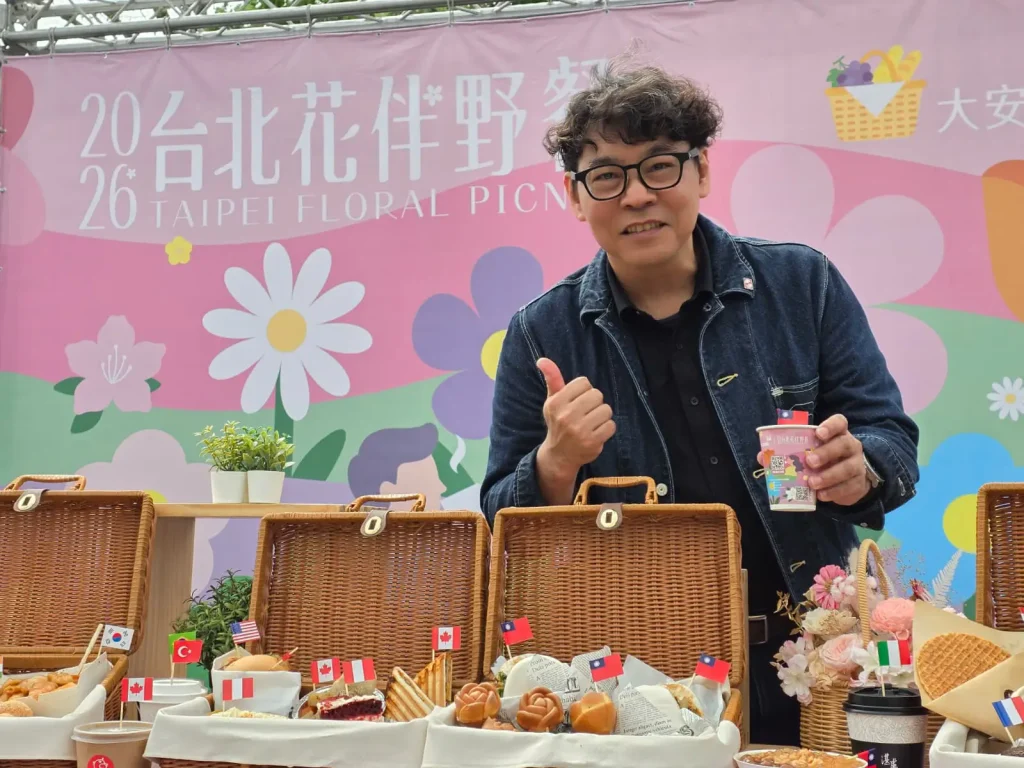
The collaboration between Taipei City Government and Foopak highlights how sustainability can be embedded into everyday experiences without disrupting convenience.
By working with partners that offer paper-based, recyclable solutions, public events can reduce reliance on single-use plastics while still delivering a seamless visitor experience. These small but intentional choices help normalize sustainable alternatives in daily life.
As more cities and organizations adopt similar approaches, these on-the-ground implementations continue to strengthen the shift toward circular systems, turning everyday public experiences into meaningful steps toward long-term sustainability.