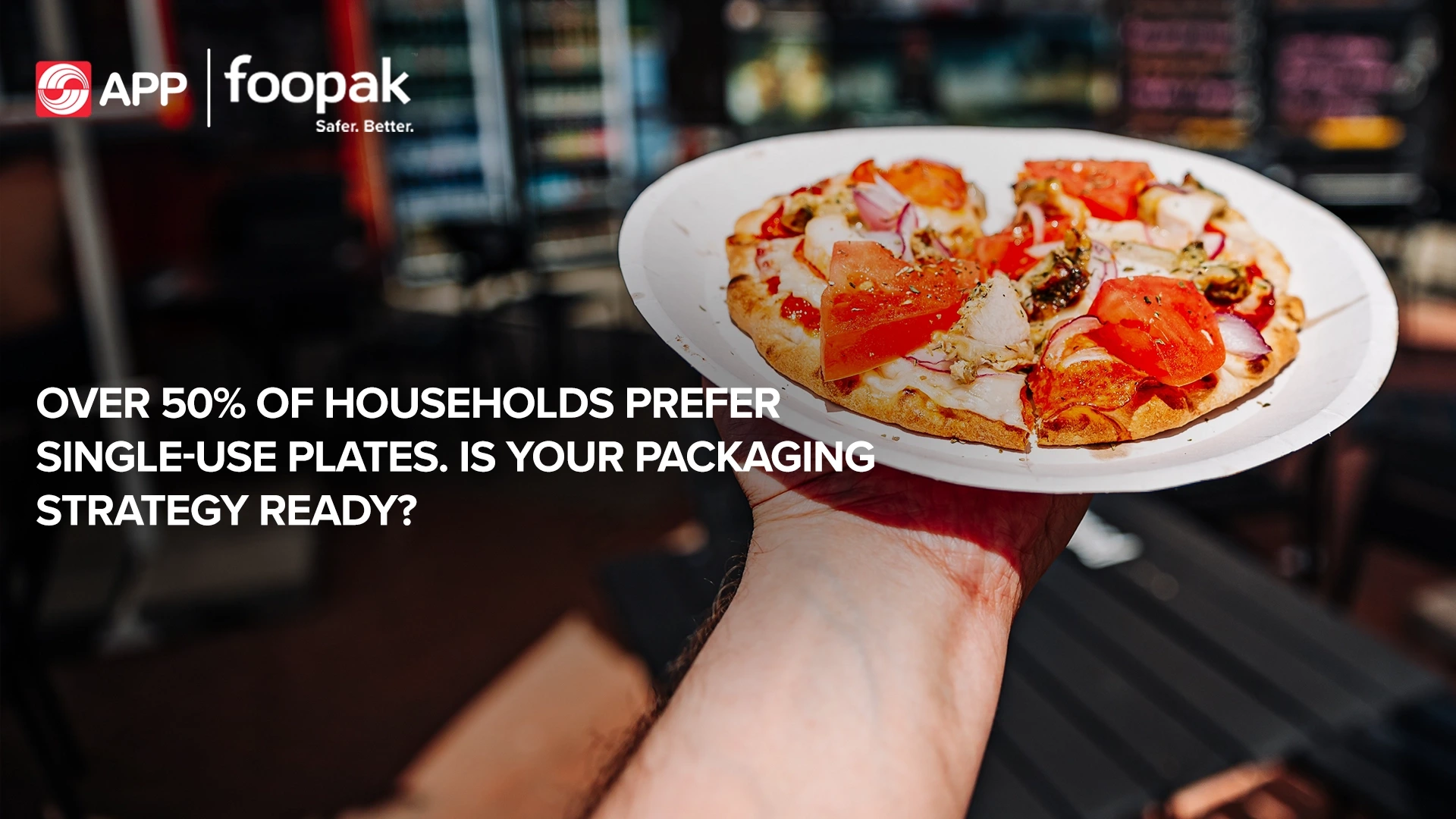
Recent market insights show that more than half of households now regularly rely on disposable plates. As demand grows, food and beverage businesses are rethinking packaging materials, especially as sustainability expectations and regulatory pressures continue to rise.
For brands that serve takeaway, catering, or prepared meals, this shift presents both an opportunity and a challenge. Businesses need packaging solutions that meet consumer demand while remaining safe, practical, and reliable for the long term.
The Disposable Plate Market Is Expanding in 2026
Recent market analysis shows that the global disposable plate market reached about USD 5.56 billion in 2025 and is projected to grow to around USD 5.86 billion in 2026, reflecting a year-on-year increase of roughly 5.3%
Several indicators highlight how widespread disposable plate usage has become.
- More than 54% of households report relying on single-use plates for convenience and easy cleanup.
- Around 69% of takeaway and catering operations depend on disposable plates to streamline food service.
- The market produces over 20 billion disposable plates annually to support demand across households, events, and foodservice.
At the same time, the materials used for these products are gradually changing. Paper and biodegradable alternatives are gaining traction as both consumers and regulators pay closer attention to sustainability and food-contact safety.
Read More: Paper Packaging Gains Ground: A Future Without Plastic?
More Than 50% of Households Now Rely on Single-Use Plates
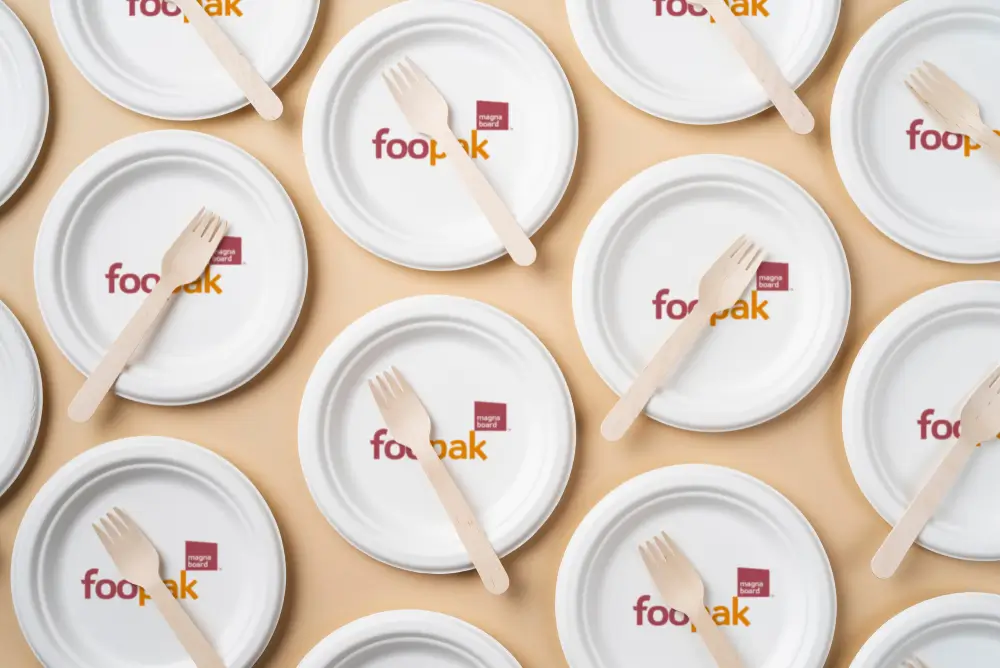
Disposable plates are no longer limited to parties or large events. Today, many households use them regularly for everyday situations. Key factors behind this shift include:
- Convenience
Single-use plates eliminate washing and cleanup, making them attractive for busy households and quick meals. - Delivery
The growth of food delivery and takeaway services has increased the need for durable disposable dining solutions that can travel well. - Gatherings
From small family celebrations to large events, disposable plates simplify food service and reduce post-event cleanup. - Hygiene Perception
Consumers often associate single-use items with improved hygiene, particularly when serving food to guests or in shared environments.
These behaviors continue to reinforce the role of disposable plates in modern food consumption.
Why Plastic and Foam Plates Are Becoming a Risk for F&B Businesses
Although disposable plates remain popular, the materials used to produce them are facing growing scrutiny. Plastic and foam foodware are increasingly affected by environmental regulations and chemical safety concerns. Some governments are beginning to restrict substances such as PFAS due to their persistence in the environment and potential health risks.
At the same time, consumers are becoming more conscious of packaging materials and often prefer options perceived as safer and more sustainable. As regulations tighten and expectations shift, many food and beverage businesses are exploring paper-based alternatives for disposable food service items.
Read More: Why Everyone’s Talking About EPR in the Packaging World
Foopak Magna Board for Modern Paper Plate Applications
Paper-based materials are increasingly positioned as a practical alternative for disposable foodware, particularly when designed for food safety and durability.
Foopak Magna Board is engineered specifically for food-contact applications such as paper plates and trays. The material offers several characteristics that support modern food service needs
- Strong structure suitable for plate and tray forming
- Grease resistance for oily or heavy foods
- Food-safe properties designed for direct food contact
- Compatibility with various converting and printing processes
As demand for disposable plates continues to grow, paperboard solutions can help food and beverage businesses balance convenience, safety, and evolving sustainability expectations.
By adopting reliable food-grade materials, brands can better align their packaging strategies with changing consumer habits and regulatory developments.