
As consumers become more conscious of waste, clarity, and authenticity, brands are rethinking how much packaging is truly necessary. The result is a growing shift toward simpler structures, cleaner visuals, and materials that focus on purpose rather than excess.
Read More: Are Renewable Materials the Key to Reducing Environmental Impact?
What Is Minimalist Packaging?
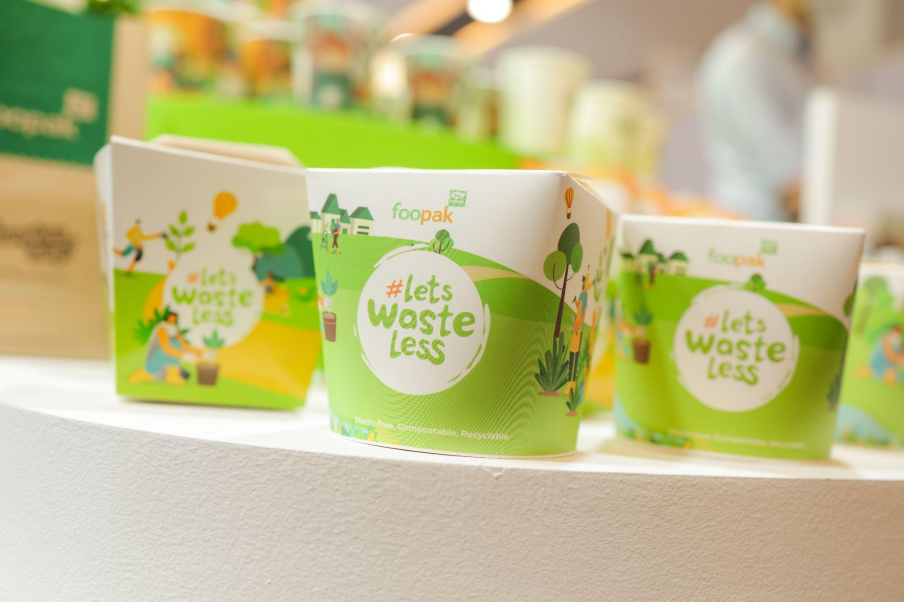
Minimalist packaging is an approach that prioritizes simplicity in both design and material use. It removes non-essential elements and focuses on core functionality, clarity, and efficiency.
Key characteristics of minimalist packaging include:
- Simplified material structures
- Reduced layers and components
- Clean, uncluttered visual design
- Clear product information and branding
- Packaging sized appropriately for the product
Rather than adding complexity, minimalist packaging asks a critical question: what is truly needed to deliver performance, safety, and brand value?
From a materials perspective, this often leads brands toward monomaterial or fiber-based packaging that is easier to recycle and better aligned with circular economy principles.
Why Does Minimalist Packaging Work Better?

Minimalist packaging works because it aligns business efficiency with consumer expectations and sustainability goals. When executed correctly, simplicity creates value across the entire packaging lifecycle.
Easier for Consumers
Consumers face too many choices. Minimalist packaging helps products stand out by being clear and easy to understand. Simple design allows consumers to quickly identify the product, understand how to use or dispose of the packaging, and trust the brand. Clear material choices also improve disposal behavior, increasing the chance that packaging is recycled correctly.
Stronger Brand Presence
Contrary to the idea that minimalism weakens brand impact, simplicity often strengthens it. By removing visual clutter, brands can highlight what truly defines them. Minimalist packaging allows logos, colors, and core brand elements to stand out, creating consistency across product lines and a more premium, modern image. In many cases, this restraint signals confidence, communicating quality, credibility, and clear purpose.
Lower Environmental Impact
One of the clearest benefits of minimalist packaging is a lower environmental footprint. Using fewer materials and simpler structures reduces resource use and waste across the packaging lifecycle. Lighter packaging also lowers energy demand in production and transportation, while simpler designs improve recyclability. By removing excess, brands move closer to circular packaging systems without compromising performance.
Read More: Discover the Truth: Can All Paper Cups Actually Be Recycled?
How Foopak Supports Minimal Packaging
Minimalist packaging depends on materials that deliver performance without added complexity. Simplifying structures should not compromise protection, safety, or reliability.
Foopak’s fiber-based solutions allow brands to reduce layers and material complexity while still providing strong resistance to moisture, grease, and liquids. Designed to remain recyclable and repulpable through standard paper recycling systems, these materials support circular economy goals and reduce reliance on plastic-based packaging.
By integrating functional performance into simpler structures, Foopak helps brands streamline packaging without sacrificing efficiency or consumer experience. With the right material choices, minimalist packaging becomes not just a design approach, but a practical and scalable sustainability solution.