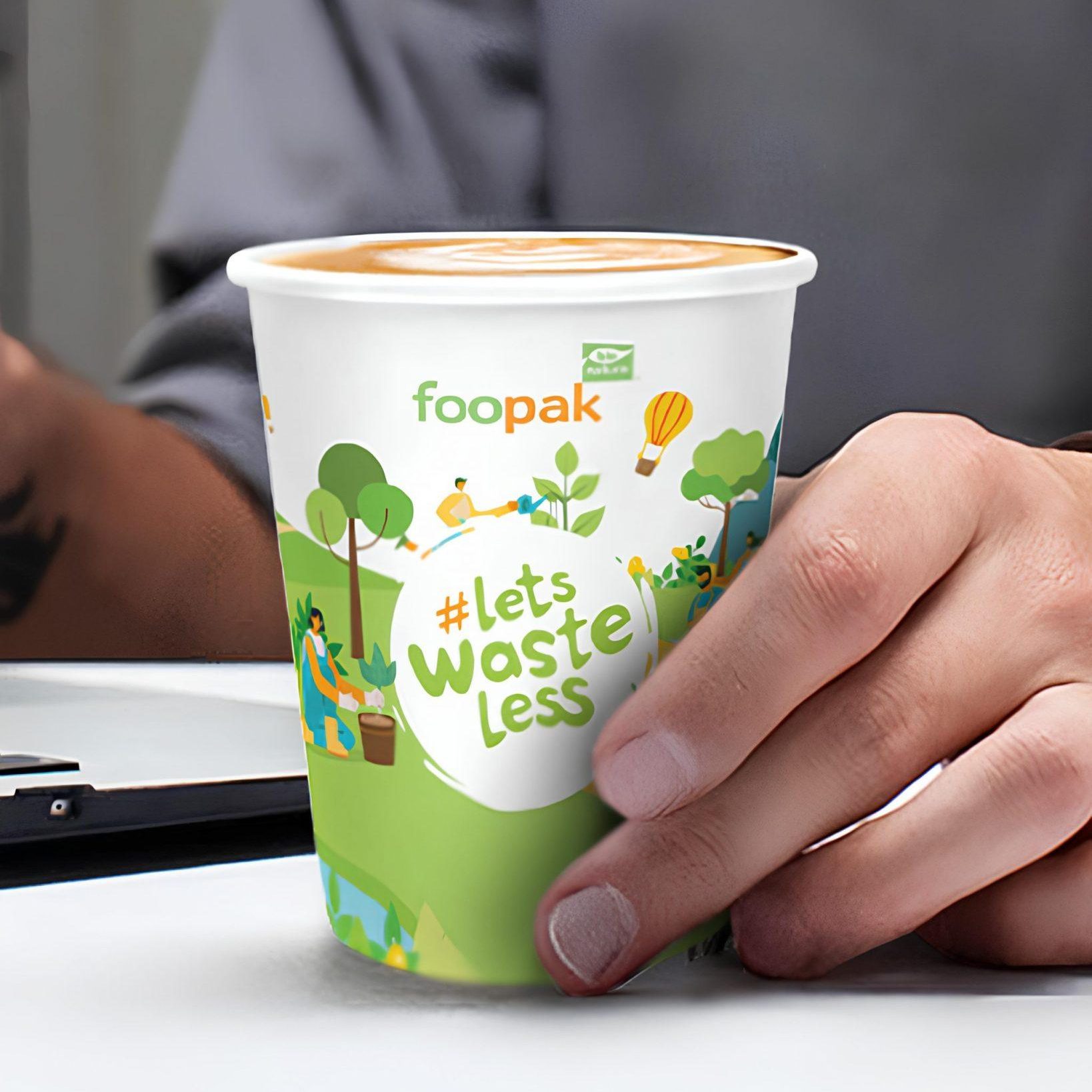
Packaging has traditionally been viewed as a practical tool for protecting and transporting products. Today, however, it is also becoming a powerful signal of a brand’s environmental responsibility.
In the United States and Canada, consumers are paying closer attention to the materials used in packaging, and those choices are increasingly influencing purchasing decisions. For brands competing in sectors such as food, personal care, and e-commerce, packaging sustainability is no longer just an operational matter. It is becoming a business factor that can directly affect sales.
When Packaging Becomes a Purchase Deal-Breaker
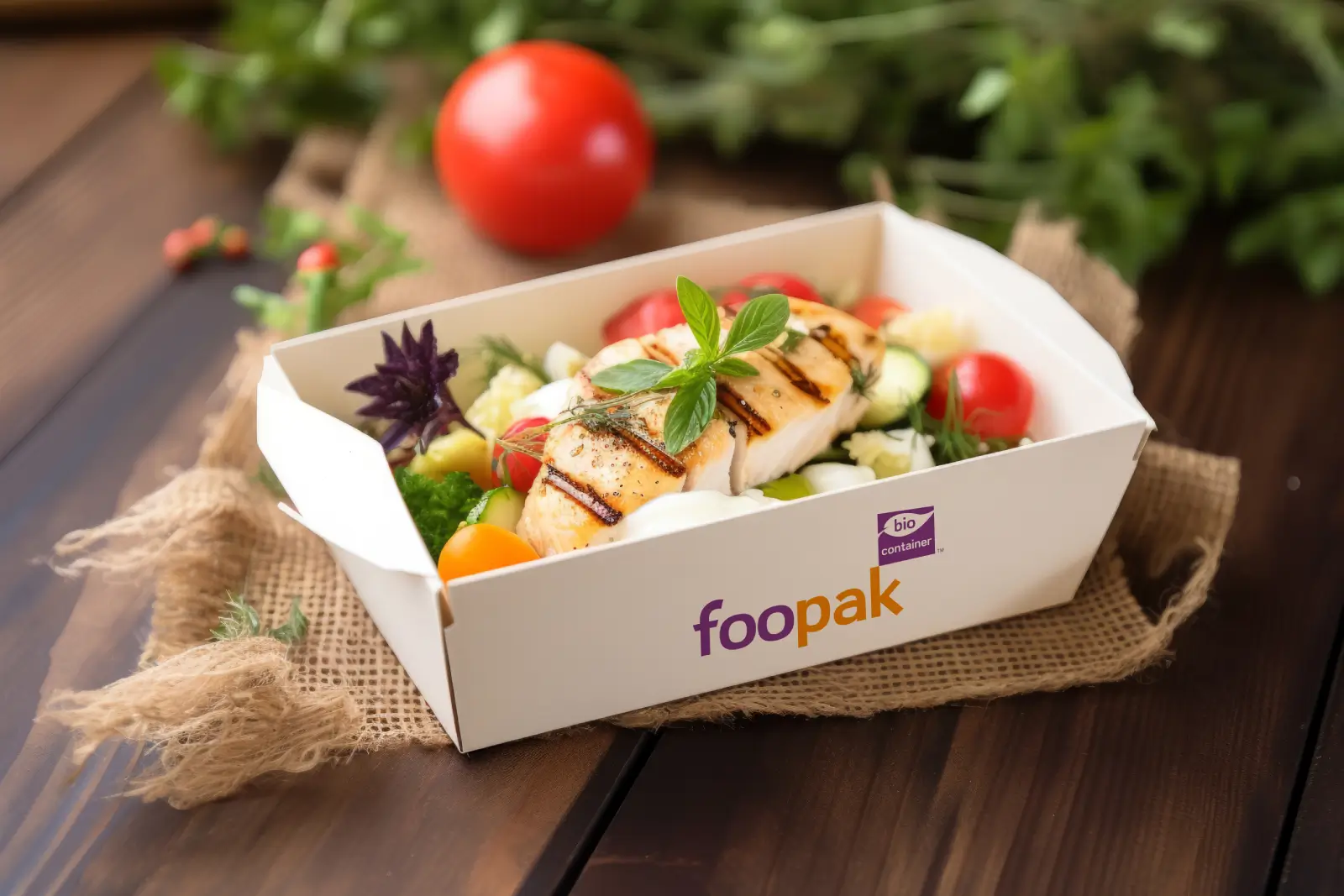
Consumer attitudes toward packaging have shifted significantly in recent years. Sustainability concerns are now influencing how shoppers evaluate products on store shelves and online.
Several indicators highlight how strongly packaging now affects purchasing behavior:
- 37% of consumers in the US and Canada say they have chosen not to buy a product because its packaging was unsustainable.
- 80% of shoppers believe brands use more packaging than necessary, increasing frustration around packaging waste.
- Consumers are paying closer attention to plastic-heavy packaging, which is often associated with environmental harm and difficult recycling processes.
These trends show that packaging is becoming a visible test of a brand’s sustainability commitment.
Instead of viewing packaging as a secondary detail, many shoppers now see it as part of the product itself. If the packaging appears wasteful or environmentally harmful, some consumers are willing to walk away (even when they are interested in the product inside).
Read More: Why Food-Grade Paper Will Revolutionize Packaging in the Coming Decades
The Financial Consequences for Brands Using Unsustainable Packaging
When packaging discourages purchases, the effects go beyond perception. It can translate into measurable commercial risk.
Brands may face several potential financial consequences:
- Lost sales opportunities when customers decide not to purchase due to packaging concerns
- Reduced brand loyalty, particularly among environmentally conscious consumers
- Higher reputational risk, as sustainability discussions become more visible on social media and review platforms
- Regulatory pressure, as governments introduce stricter policies on plastic waste and producer responsibility
In competitive product categories such as food, beverages, cosmetics, and e-commerce goods, packaging often becomes the most visible expression of a company’s environmental strategy. If that signal fails to align with consumer expectations, brands risk losing customers to competitors that offer more sustainable alternatives.
Read More: Paper Straws: Necessity or Trend?
Turning Packaging Risk Into Competitive Edge with Foopak Bio Natura
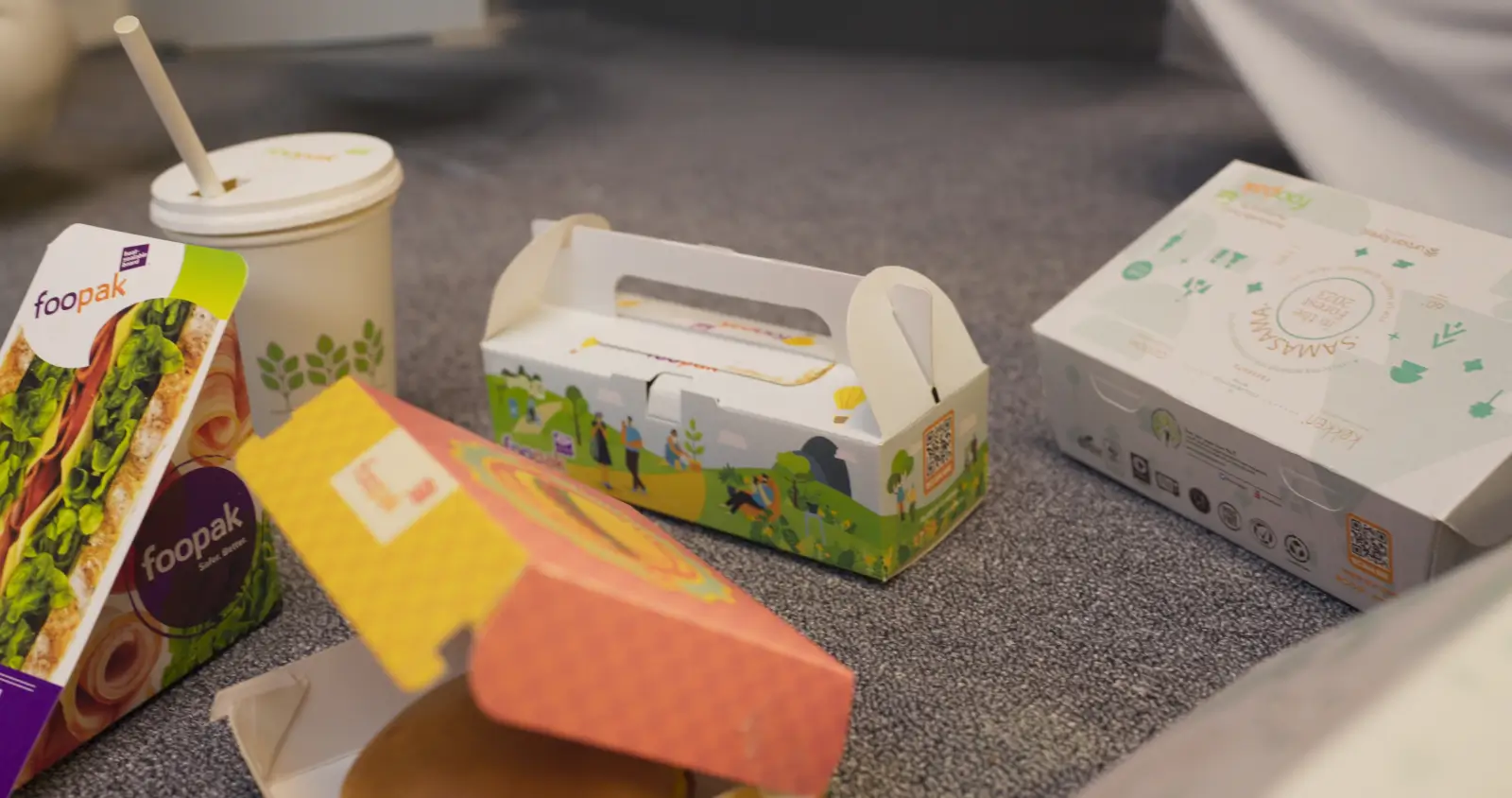
As consumer expectations around sustainability continue to grow, packaging decisions are becoming a strategic opportunity rather than just a compliance requirement. Brands that adopt more sustainable packaging can strengthen their reputation, align with evolving market expectations, and reduce the risk of losing customers due to environmental concerns.
Paper-based food packaging solutions such as Foopak Bio Natura or Foopak Bio Container offer an alternative designed to support this transition. Made from renewable fiber and engineered for food service applications, the solution provides a biodegradable option that helps brands reduce reliance on conventional plastic packaging while maintaining the functionality required for food and beverage use.