Today, the most practical and scalable pathway toward circularity is clear monomaterial packaging. By simplifying material structures while maintaining product quality, brands can drastically improve recyclability, reduce environmental impact, and prepare for upcoming regulatory requirements.
Why Monomaterials Matter for Circular Packaging
Multilayer structures have long been chosen for their barrier performance, protecting food, beverages, and consumer goods. But once they enter the waste stream, these mixed-material layers become nearly impossible to separate, resulting in contamination and low recovery rates.
Monomaterials solve this challenge by:
- Using a single material type, making recycling significantly more efficient
- Improving compatibility with existing collection and sorting systems
- Reducing processing costs and energy demand at recycling facilities
- Supporting higher-quality recycled outputs that can re-enter the value chain
Governments across the EU, US, and Asia are now pushing monomaterial adoption through stricter recyclability standards, plastic taxes, and Extended Producer Responsibility (EPR) requirements. As a result, brands are transitioning toward simpler, cleaner, and more transparent packaging systems.
Read More: Why Everyone’s Talking About EPR in the Packaging World
Functional Limitations in the Real World
While monomaterials support circularity, the reality is more complex when it comes to performance. Brands still require packaging that:
- Protects against moisture, grease, oxygen, and light
- Maintains food safety and shelf life
- Withstands storage, transportation, and temperature fluctuations
- Performs well on filling and sealing lines
- Supports design, printability, and consumer experience
Traditional monomaterial solutions often fall short in barrier performance, durability, or functionality, forcing brands to return to multilayer plastic structures. This performance gap is one of the key reasons many businesses hesitate to shift toward fully recyclable formats.
Engineering Around the Challenges
Advances in fiber-based materials and coating technologies now enable high-barrier monomaterial structures that still remain fully recyclable. This is where engineering innovation plays a critical role in designing packaging that meets both sustainability requirements and functional expectations.
Where Foopak Can Help
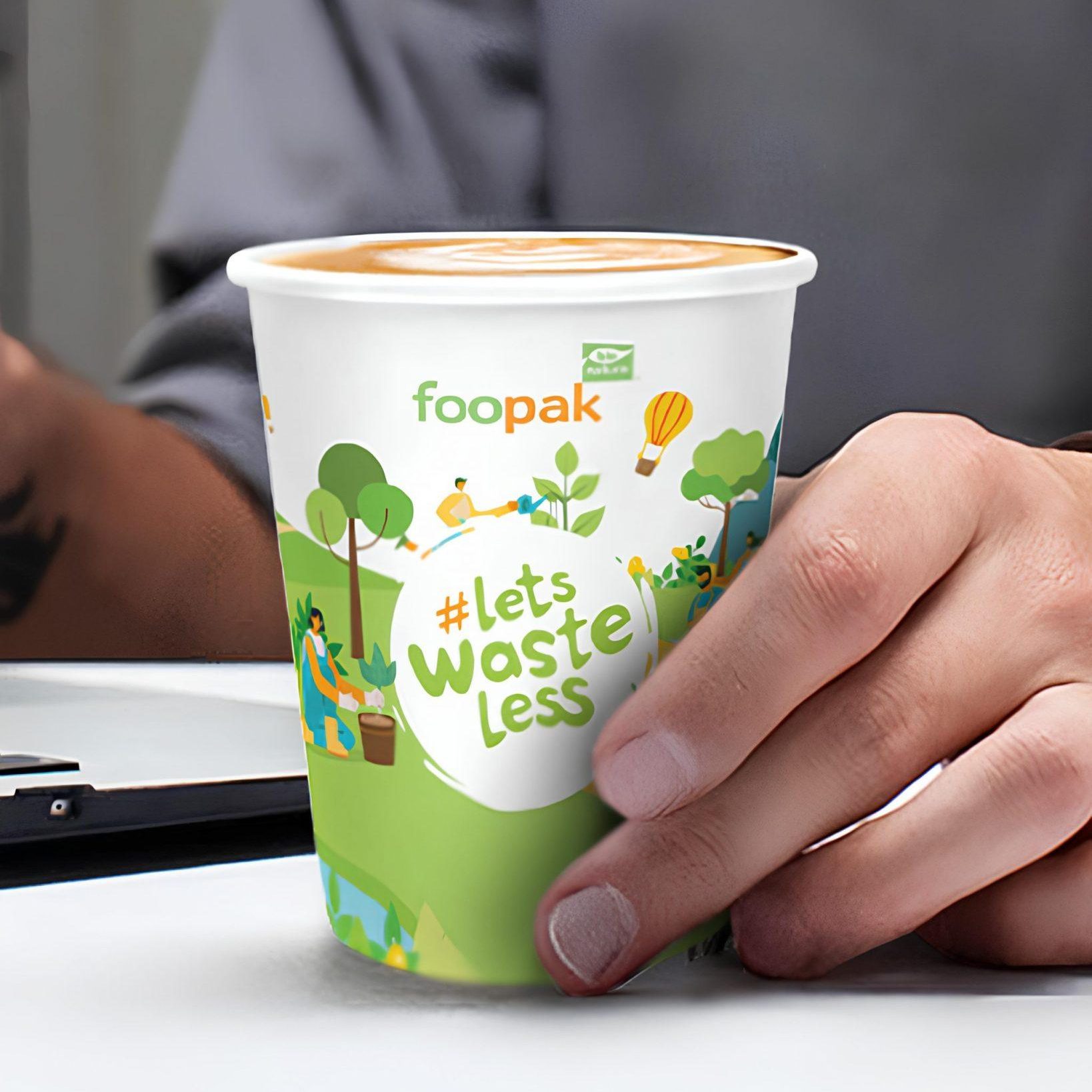
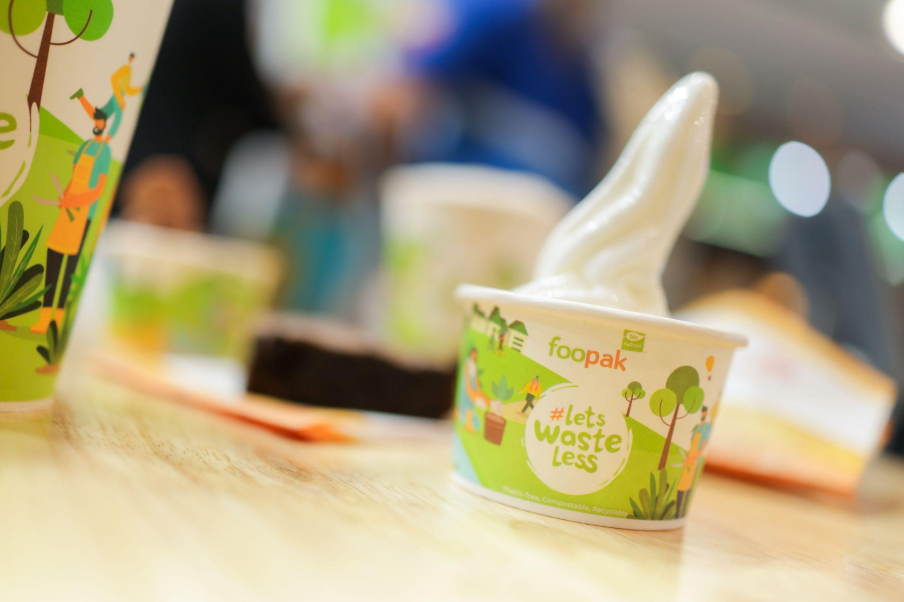
Foopak Bio Natura provides a next-generation paperboard solution engineered specifically to overcome the typical limitations of monomaterial packaging:
- High barrier performance (moisture, grease, liquid resistance)
- Recyclable and repulpable through standard paper recycling streams
- Renewable fiber-based material, reducing dependency on multilayer plastics
- Food-safe and compliant with stringent global standards
- Suitable for various applications including F&B, QSR, takeaway, frozen, and dry goods
Read More: Are Paper Cups Safe for Hot Drinks?
By combining renewable fibers with advanced barrier technology, Foopak Bio Natura enables brands to adopt fully recyclable monomaterial packaging without compromising protection, durability, or end-of-life performance.
A Practical Transition Toward Fully Recyclable Packaging
Businesses looking to simplify their packaging architecture can start with:
- Mapping material composition
- Evaluating LCA impacts
- Redesigning with monomaterial constructs
- Testing barrier and performance needs
- Partnering with credible material innovators
Moving Toward a Circular Packaging Future
Monomaterials represent the most realistic, scalable pathway to fully recyclable, high-performing packaging systems. By choosing materials designed for both functionality and end-of-life recovery, brands can strengthen sustainability credentials, achieve regulatory compliance, and build packaging systems that support a true circular economy.
Brands can bridge the gap between performance and sustainability with Foopak using engineering-driven materials that reduce environmental impact while maintaining reliable, consistent performance. With solutions like Foopak Bio Natura, companies can confidently transition toward packaging that works today and remains accountable for tomorrow.