
Across the Asia-Pacific region, packaging markets are evolving rapidly, driven by circular economy policies, tighter regulations, and accelerated material innovation. Major manufacturing and consumer hubs such as China, Japan, South Korea, and key Southeast Asian markets are redefining how packaging is evaluated, moving beyond cost and basic functionality toward sustainability performance, regulatory readiness, and scalable execution.
Circular Economy Policies Accelerating Material Change
China’s shift toward sustainable packaging is closely tied to broader circular economy direction and regulatory signals that influence material choices across the market. Key drivers include:
1. Reduction of excessive packaging
Policies and guidelines increasingly discourage overpackaging, pushing brands to simplify structures and reduce unnecessary material use.
2. Preference for recyclable and renewable materials
Packaging materials that can enter existing recycling systems, particularly paper-based and fiber-based solutions, are gaining priority over hard-to-recycle alternatives.
3. Pressure to move away from complex multilayer plastics
Multilayer structures that are difficult to recycle face growing scrutiny, accelerating interest in simpler, more recyclable material designs.
4. Strengthening producer responsibility expectations
Brands are expected to take greater responsibility for packaging waste outcomes, influencing material selection and end-of-life considerations earlier in the design process.
5. Investment in recycling and recovery systems
Ongoing improvements in collection, sorting, and recycling infrastructure support materials that align with circular economy principles and large-scale recovery.
Read More: Foopak is back in China for the China International Import Expo (CIIE) in 2025!
APAC Packaging Trends to Look Out For
Beyond regulation, market competition and technological advancement are shaping the next phase of China packaging trends. Several developments are becoming increasingly relevant across food and beverage, foodservice, retail, and e-commerce sectors.
Smart & Connected Packaging
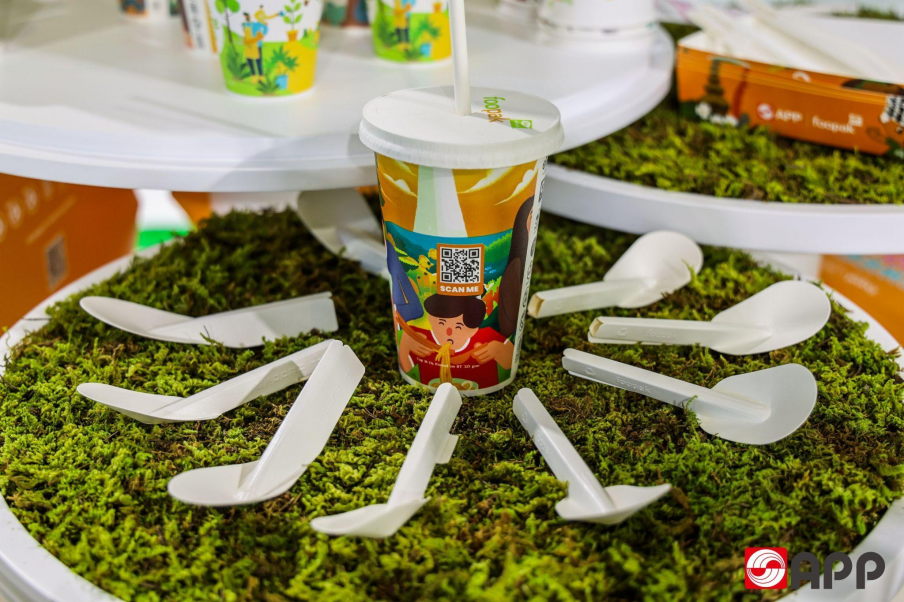
Digitalization is a major differentiator in the region’s highly competitive retail landscape. Smart and connected packaging solutions using QR codes, NFC, and traceability features are being adopted to enhance transparency and trust.
These technologies support product authentication and anti-counterfeiting, improve supply chain visibility, and enable direct consumer engagement through digital content. In regulated categories such as food and beverages, smart packaging also plays a role in strengthening food safety communication and compliance.
Material Innovation
Material innovation continues to accelerate as brands search for alternatives that balance sustainability, performance, and operational efficiency. This includes the development of high-barrier fiber-based materials, lightweighting strategies to reduce material usage, and improved coating technologies that maintain recyclability.
Rather than relying on complex multilayer structures, packaging development is increasingly guided by design-for-recycling principles. Materials are engineered from the outset to work within existing recycling systems while still delivering moisture, grease, and liquid resistance required for real-world use.
Sustainable Formats
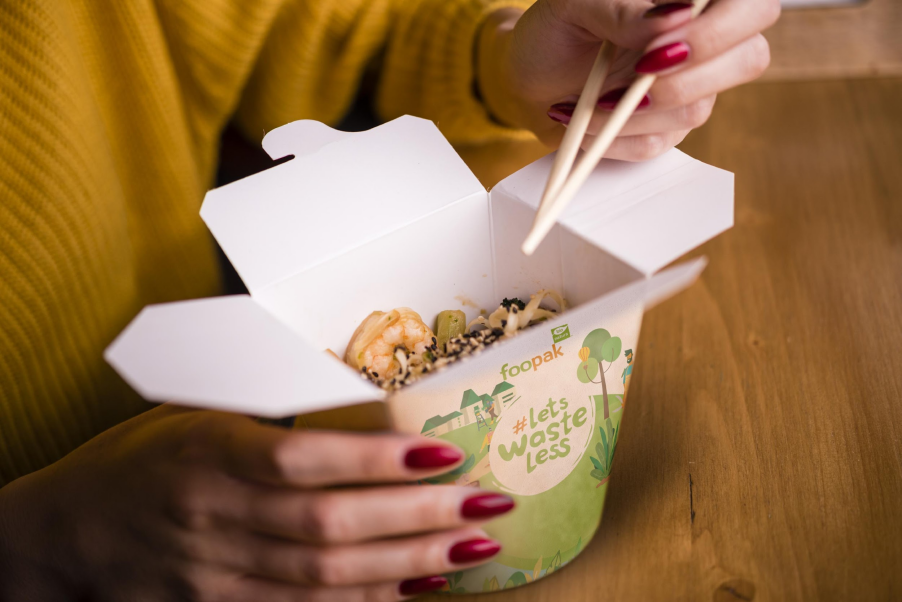
Sustainable packaging formats are gaining momentum. Fiber-based packaging, recyclable paperboard, and renewable material solutions are being adopted across foodservice, takeaway, QSR, and retail applications.
Brands are prioritizing formats that integrate smoothly into established recycling streams, reduce reliance on fossil-based plastics, and align with circular economy targets. Importantly, sustainability is being approached pragmatically, with a strong emphasis on maintaining food safety, shelf life, and operational performance.
Where Foopak Fits In
As APAC’s packaging ecosystem evolves, Foopak supports brands navigating regulatory, performance, and sustainability requirements.
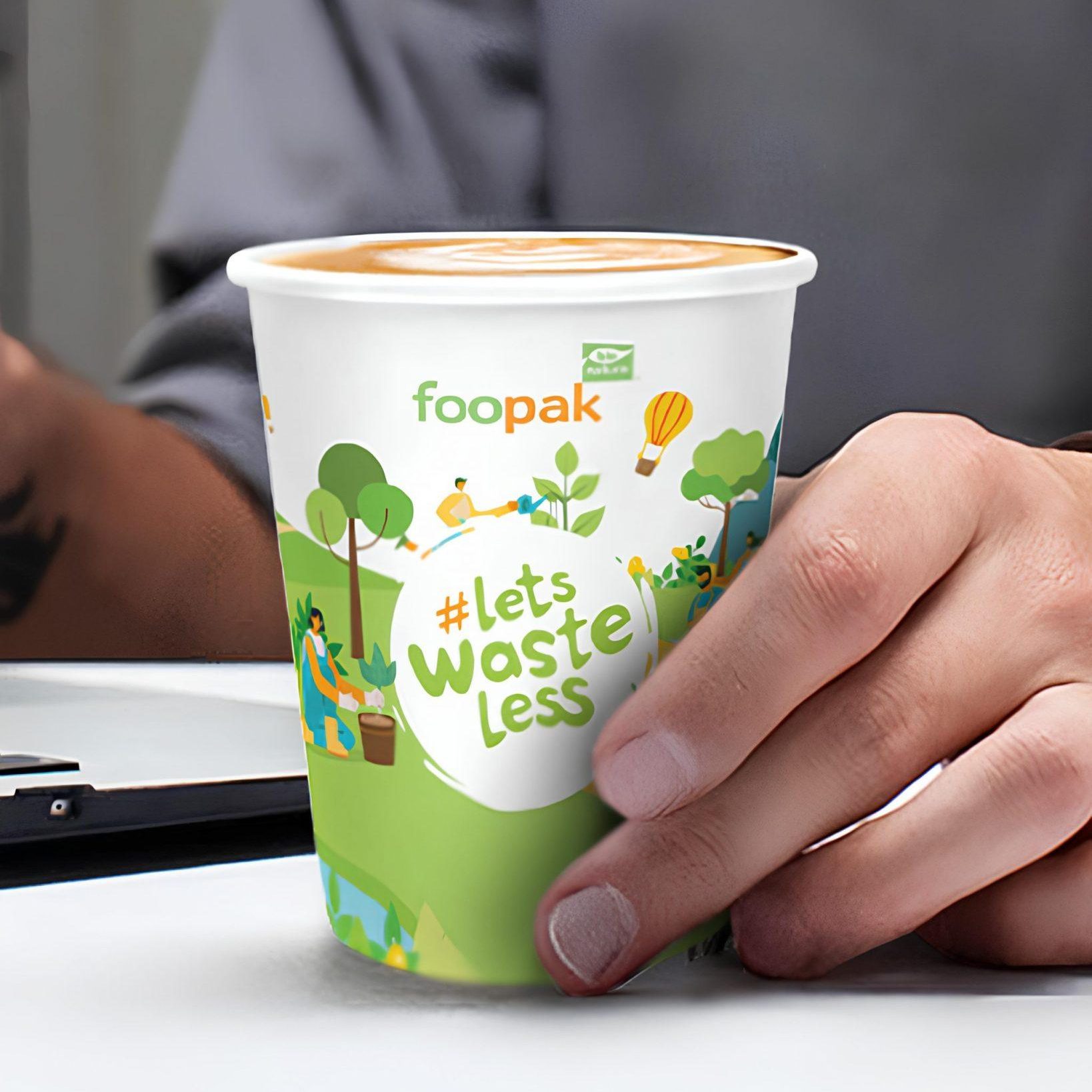
The Foopak Bio Natura paperboard is a fiber-based, high-barrier paperboard designed for the region’s packaging needs, offering resistance to moisture, grease, and liquids while remaining recyclable and repulpable through standard paper recycling systems.
Made from renewable fiber and compliant with global food safety standards, it is suitable for foodservice, QSR, takeaway, frozen, and dry food applications.