
Sustainability has quickly moved from marketing rhetoric to a core business imperative shaping packaging innovation and investment worldwide. As regulators tighten requirements and consumers increasingly prefer eco-responsible products, companies are accelerating transitions to materials and systems that demonstrably reduce environmental impact.
Read More: Why Everyone’s Talking About EPR in the Packaging World
Sustainable Packaging Market Growth
Learn the Current Market Value
According to industry market sizing data, the global sustainable packaging market is valued at around USD 313.7 billion in 2025. Growth is fueled by:
- Increasing adoption of circular materials
- Stricter global regulations on waste and plastics
- Rising corporate commitments on carbon and recyclability
- Consumer willingness to switch to brands with eco-friendly packaging
Paper & paperboard currently represent one of the largest and fastest-growing material categories due to recyclability, fiber renewal, and increasing bans on single-use plastics.
Projected Market Value by 2034
Between 2025 and 2034, the market is projected to grow at a CAGR of 6.6%, reaching USD 557.6 billion by 2034.
This expansion is supported by:
- Strong growth in Asia Pacific, led by China, India, Indonesia
- E-commerce and food delivery demand
- Mandatory recycled content laws in the EU
- Corporate-level targets to reduce virgin plastic usage
- Increased investment in bio-based and fiber-based materials
Paper & board, compostable biopolymers, and lightweight flexible packaging formats are identified as key contributors to this decade-long growth cycle.
Sustainable Packaging Market Drivers

Increasing consumer demand for eco-friendly packaging
Modern consumers are more environmentally conscious and are increasingly choosing brands that offer sustainable packaging. Many are even willing to pay a premium for eco-responsible products.
Regulatory pressures and government initiatives
Regions such as the EU, US, and Asia are enforcing stricter rules including Extended Producer Responsibility (EPR), plastic taxes, and mandatory recyclability standards. Compliance is now a strategic priority for brands.
Corporate sustainability commitments
Companies can no longer rely on broad green claims. They must provide measurable, data-backed proof of environmental performance. Tools such as Life Cycle Assessment (LCA) have become essential for guiding packaging decisions and transparent communication.
What Factors Does the Sustainable Packaging Market Consider?
A comprehensive sustainable packaging strategy evaluates multiple environmental metrics to ensure improvements do not simply shift the environmental burden elsewhere. Key indicators include:
- Carbon footprint: Emissions from raw materials to end-of-life
- Energy use: Dependence on fossil fuels vs renewables
- Water consumption: Water use intensity and ecosystem impact
- Material circularity: Recyclability, compostability, and renewable content
- End-of-life outcomes: Rates of recycling, recovery, incineration, or landfill
Evaluating these metrics ensures packaging is both functional and environmentally responsible across its full lifecycle.
Read More: Step-by-Step: Calculating the Life Cycle Impact of Packaging Materials
Key Stages Influencing Sustainable Packaging Impact
Raw Material Sourcing
Material origins such as renewable fibers, biodegradable polymers, recycled content, or fossil-based plastics carry distinct environmental implications.
Manufacturing Process
Energy use, emissions, chemicals, and waste during production shape the sustainability profile of packaging.
Distribution and Logistics
Lightweight packaging reduces transportation emissions and overall supply chain impact.
Use Phase
While often low-impact, the use phase must still ensure durability, barrier performance, and food safety.
End-of-Life Management
Recyclability, compostability, and recovery systems determine how materials re-enter the circular economy.
How Companies Can Begin Transitioning to Sustainable Packaging
Define Clear Goals
Identify the primary objective, whether reducing carbon footprint, lowering plastic use, improving recyclability, or preparing for future regulations.
Map the Packaging Lifecycle
Analyze the full journey from raw materials to disposal to identify the highest-impact stages.
Collect Essential Data
Gather information on material composition, weight, transport distances, and disposal pathways. Supplier data and LCA databases are effective starting points.
Measure Key Environmental Indicators
Focus on actionable metrics such as carbon footprint, water usage, and recyclability.
Optimize Step by Step
After establishing a baseline, implement targeted improvements such as redesigning packaging, switching materials, improving disposal instructions, or enhancing supply chain efficiency.
Toward a More Transparent and Circular Future
By adopting measurable sustainability practices such as Life Cycle Assessment (LCA) and Environmental Product Declarations, brands can move beyond broad green claims toward transparent, science-based communication. This approach helps strengthen consumer trust, support regulatory compliance, and enhance competitive advantage.
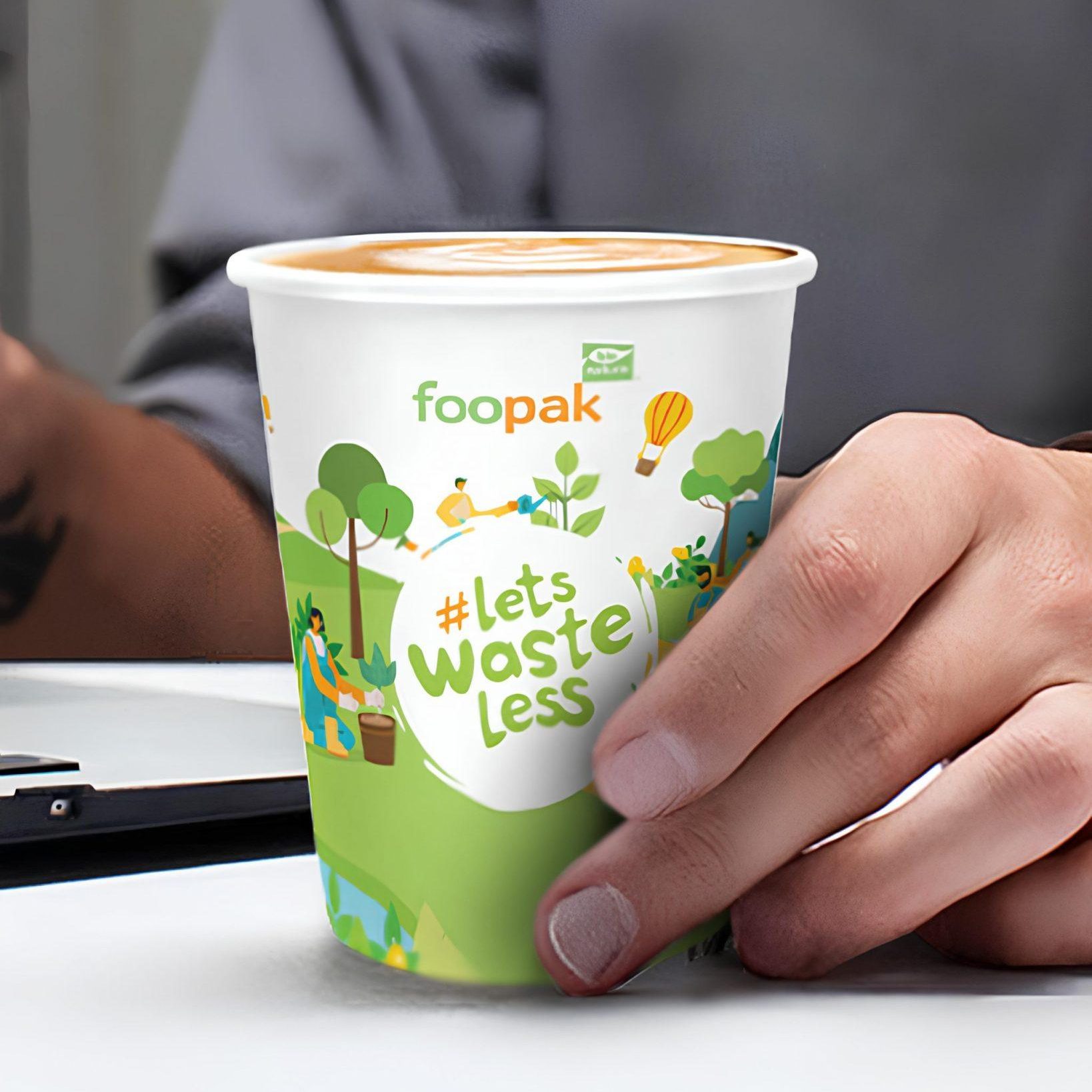
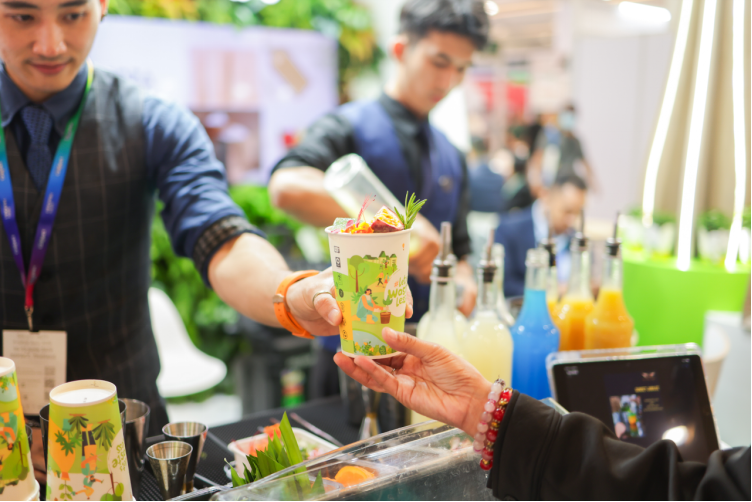
As a paperboard product from APP Group, Foopak is designed to align sustainability with performance, functionality, and design. Foopak’s recyclable and renewable paperboard solutions help brands reduce reliance on plastic, improve LCA performance, and meet global regulatory standards. Through barrier-coated paperboards and clear disposal guidance, Foopak supports brands in building more responsible and future-ready packaging systems.
Take Action Now, Join the Sustainable Packaging Movement
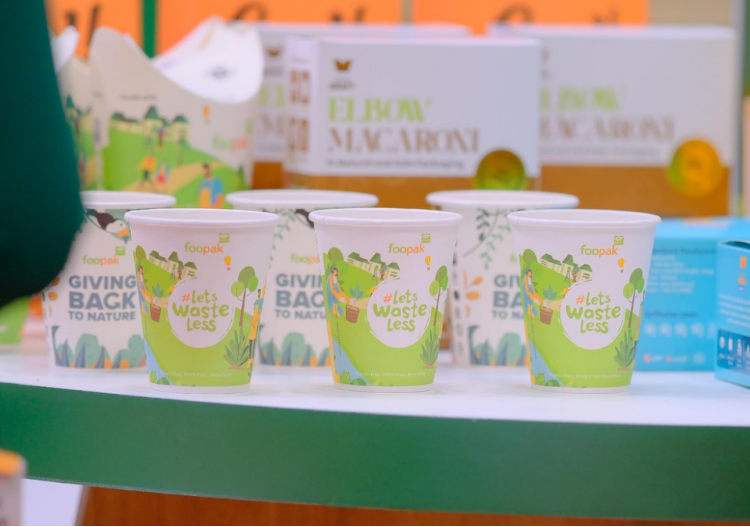
As sustainability expectations continue to rise, Foopak remains committed to helping companies create packaging that performs today and remains accountable for tomorrow. Together, we can accelerate the transition toward a truly circular packaging economy.