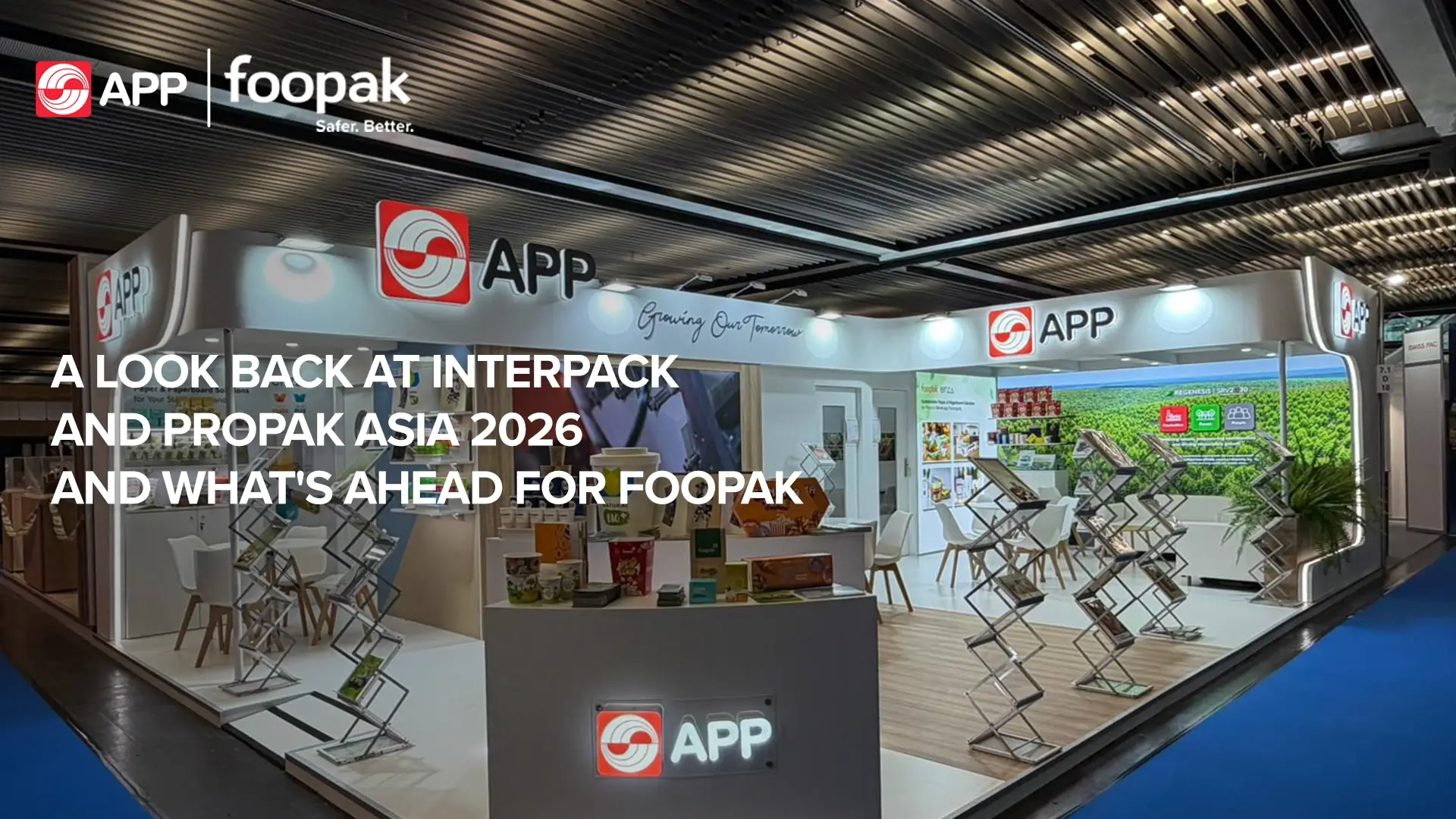
Throughout 2026, Foopak has continued engaging with packaging professionals, brand owners, converters, and food service businesses through industry exhibitions around the world. Most recently, the company participated in interpack 2026 in Germany and ProPak Asia 2026 in Thailand, where it showcased solutions designed to support the evolving needs of the food packaging industry.
These events provided opportunities to highlight key products, exchange insights with industry stakeholders, and explore how packaging requirements continue to develop across different markets.
Foopak Bio Natura Showcases the Potential of Sustainable Paperboard
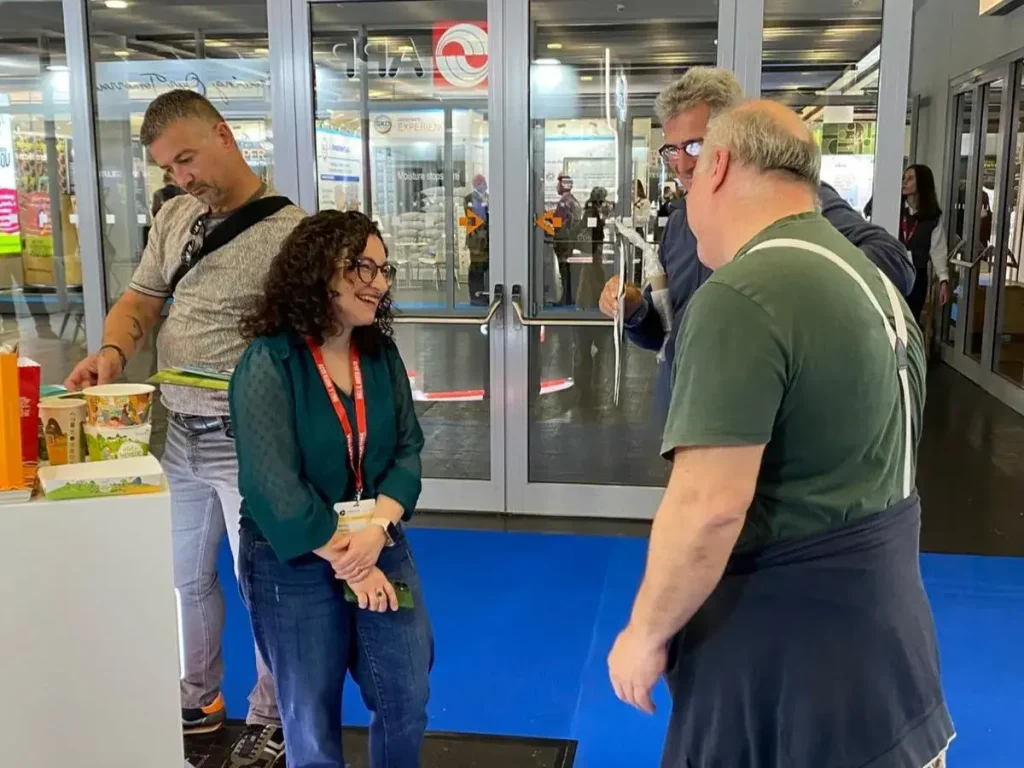
Held in Düsseldorf, Germany, interpack 2026 brought together packaging professionals from across the globe to explore the latest developments in processing and packaging technologies.
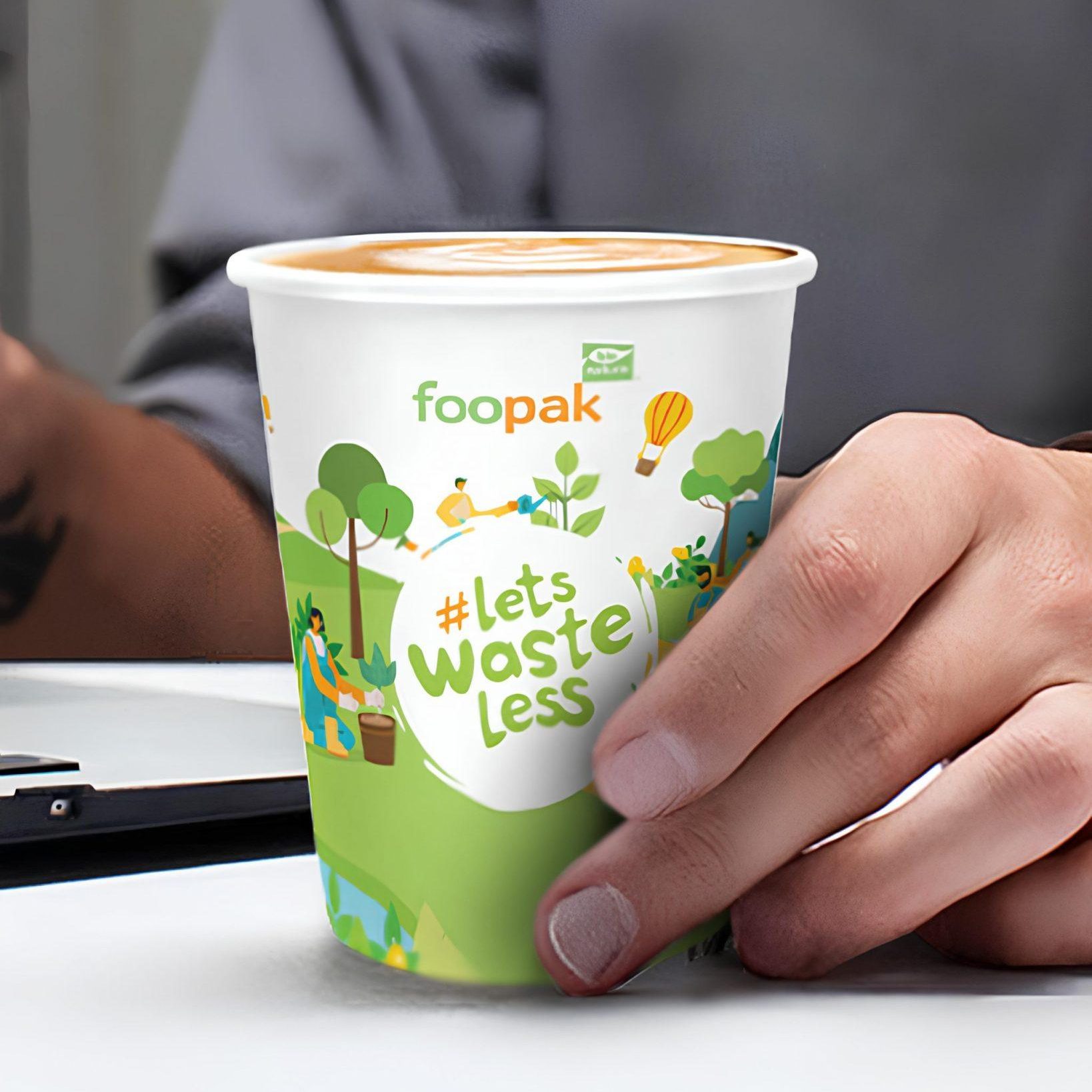
At the event, Foopak showcased Foopak Bio Natura, a sustainable paperboard solution designed for food contact applications. Visitors had the opportunity to learn how the material supports evolving sustainability goals while meeting the functional requirements needed in food service packaging.
Through conversations with visitors from across Europe and beyond, Foopak gained valuable insights into the challenges and opportunities shaping the global packaging landscape.
Read More: Foopak Heads to interpack 2026 to Connect with the Global Packaging Industry
Foopak Baking Paper Takes the Spotlight at ProPak Asia 2026
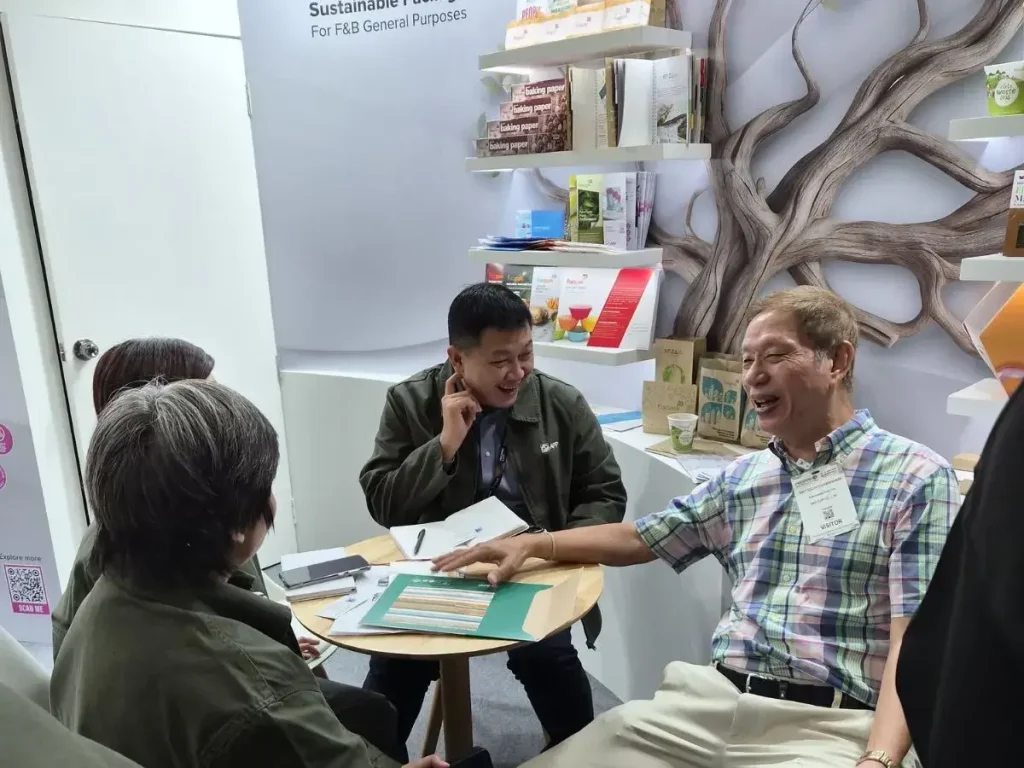
Just weeks later, Foopak continued its exhibition journey at ProPak Asia 2026 in Bangkok, one of Asia’s leading trade events for processing and packaging technologies.
While interpack focused heavily on global packaging trends and sustainability discussions, ProPak Asia provided an opportunity to demonstrate how paper and paperboard solutions perform in real-world food and beverage applications.
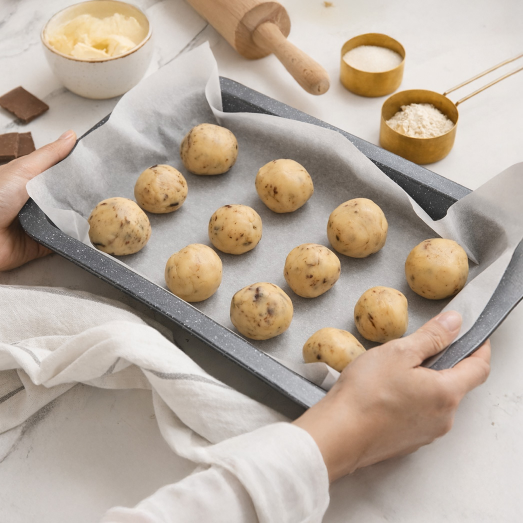
One of the highlights of the exhibition was a live baking demonstration featuring Foopak Baking Paper. The activity allowed visitors to see the product in action and better understand its performance in real baking environments.
By demonstrating practical applications rather than simply displaying products, Foopak was able to engage directly with bakeries, food manufacturers, and food service businesses looking for reliable paper-based solutions that support operational efficiency and product quality.
Read More: Top 5 Types of Paper Used in Restaurants
Strengthening Connections Across Global Markets
While interpack and ProPak Asia served different regions and audiences, both events provided valuable opportunities for Foopak to strengthen relationships with existing partners and connect with new industry stakeholders.
The exhibitions also highlighted the evolving needs of today’s food packaging market. As brands, converters, and food manufacturers navigate changing regulations, sustainability commitments, and consumer expectations, demand continues to grow for materials that combine food safety, functionality, and environmental considerations. From sustainable paperboard for food contact applications to baking paper designed for food preparation, Foopak showcased how material innovation can help support a wide range of packaging and food service requirements.
These conversations help Foopak better understand market needs while supporting the development of solutions that address evolving industry demands.
Foopak Looks to New Collaboration Opportunities Across Global Markets
As the packaging industry continues to evolve, Foopak remains committed to staying connected with customers, partners, and industry professionals worldwide.
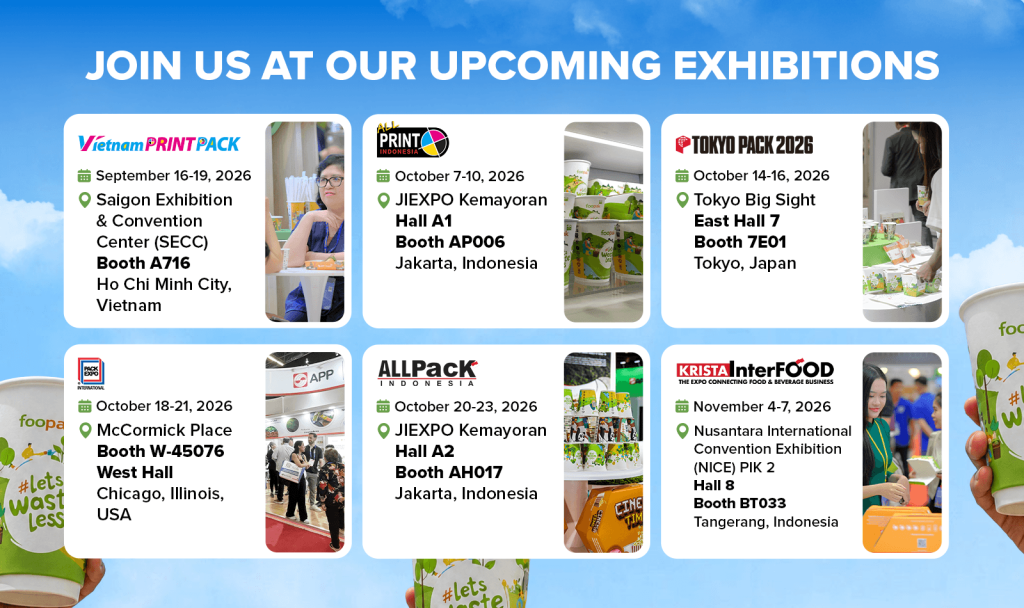
Building on the momentum from interpack 2026 and ProPak Asia 2026, Foopak looks forward to participating in future industry discussions, with upcoming participation at PACKPRINTPLAS Philippines (October 8-10), TOKYO PACK (October 14-16), PACK EXPO International in Chicago (October 18-21), and the China International Import Expo (November 5-10), with additional exhibitions planned across multiple regions.
Through ongoing engagement with the global packaging community, Foopak aims to help businesses navigate changing packaging requirements while supporting a more sustainable future.